
Contents
Some people want to avoid medication. Others already take it and want more tools beside it. Either way, the question is the same: which non-drug approaches to depression and anxiety have real evidence behind them?
The answer is more encouraging than many people expect. Several options are well studied, and a few simple daily habits support all of them.
None of this replaces a conversation with a licensed health care provider, who can help you weigh every option, including medication.
This guide sorts those options by the strength of the research. It also explains where neurofeedback training for self-regulation fits, what it can and cannot do, and when to get help right away.
Keep in mind
If you are thinking about suicide or feel unable to keep yourself safe, call or text 988 now, or call 911.
Free, confidential help is available any time, day or night, through the 988 Suicide and Crisis Lifeline.
When is low mood more than a rough patch?
Everyone feels low or worried at times, and those feelings usually pass. Depression is different: low mood or loss of interest lasts most of the day, nearly every day, for at least two weeks and gets in the way of daily life. Anxiety that is constant and hard to control can do the same.
Common signs include hopelessness, irritability, fatigue, trouble concentrating and changes in sleep or appetite. Some people notice physical signs first, such as headaches or a racing heart.
Only a licensed health care provider can tell you whether you are dealing with depression, an anxiety disorder or something else. Thyroid problems and some medicines can cause similar symptoms, which is one more reason to start with a proper check.
Keep in mind
Never stop or change a prescribed medicine without talking to the provider who prescribed it.
These signs are listed in the National Institute of Mental Health's guide to depression.
Which non-drug approaches have the strongest evidence?
Talk therapy has the longest track record. Cognitive behavioral therapy (CBT) teaches you to notice and change unhelpful thoughts and habits, and interpersonal therapy works on relationships and life events that affect mood. Both are delivered by licensed mental health professionals, in person or by telehealth.
For milder depression, talk therapy is often tried first. For moderate or severe depression, medication is usually part of the starting plan, and therapy continues alongside it.
Newer versions of CBT add mindfulness skills or focus on a single problem, such as insomnia. If one style of therapy does not suit you, another may.
Does exercise really help depression?
Yes, and the evidence has grown stronger in recent years. A large 2024 review found that walking or jogging, yoga and strength training each led to moderate reductions in depression, with bigger effects at higher intensity. The authors suggest considering exercise alongside talk therapy and medication, not instead of them.
You do not need a gym to start. The National Institute of Mental Health suggests that just 30 minutes of walking a day can lift your mood. Pick an activity you will actually do, and build up slowly.
The same review found that yoga and strength training were the easiest for people to stick with. The authors rated their confidence in the evidence as low for walking or jogging and very low for the others, so the size of the benefit is still being studied.
The exercise findings come from a 2024 systematic review in The BMJ.
What else helps from day to day?
Small routines support every other kind of care. None of them replace it, but together they make the harder days easier to manage.
- Go to bed and wake up at the same time each day
- Eat regular meals, even when your appetite is low
- Talk with people you trust about how you are feeling
- Break big tasks into small steps and do what you can
- Delay major life decisions until you feel better
- Avoid alcohol, nicotine and drugs, which can make mood worse
Keep in mind
No natural product is FDA-approved for depression, so check with a health care provider before trying any supplement.
What is neurofeedback?
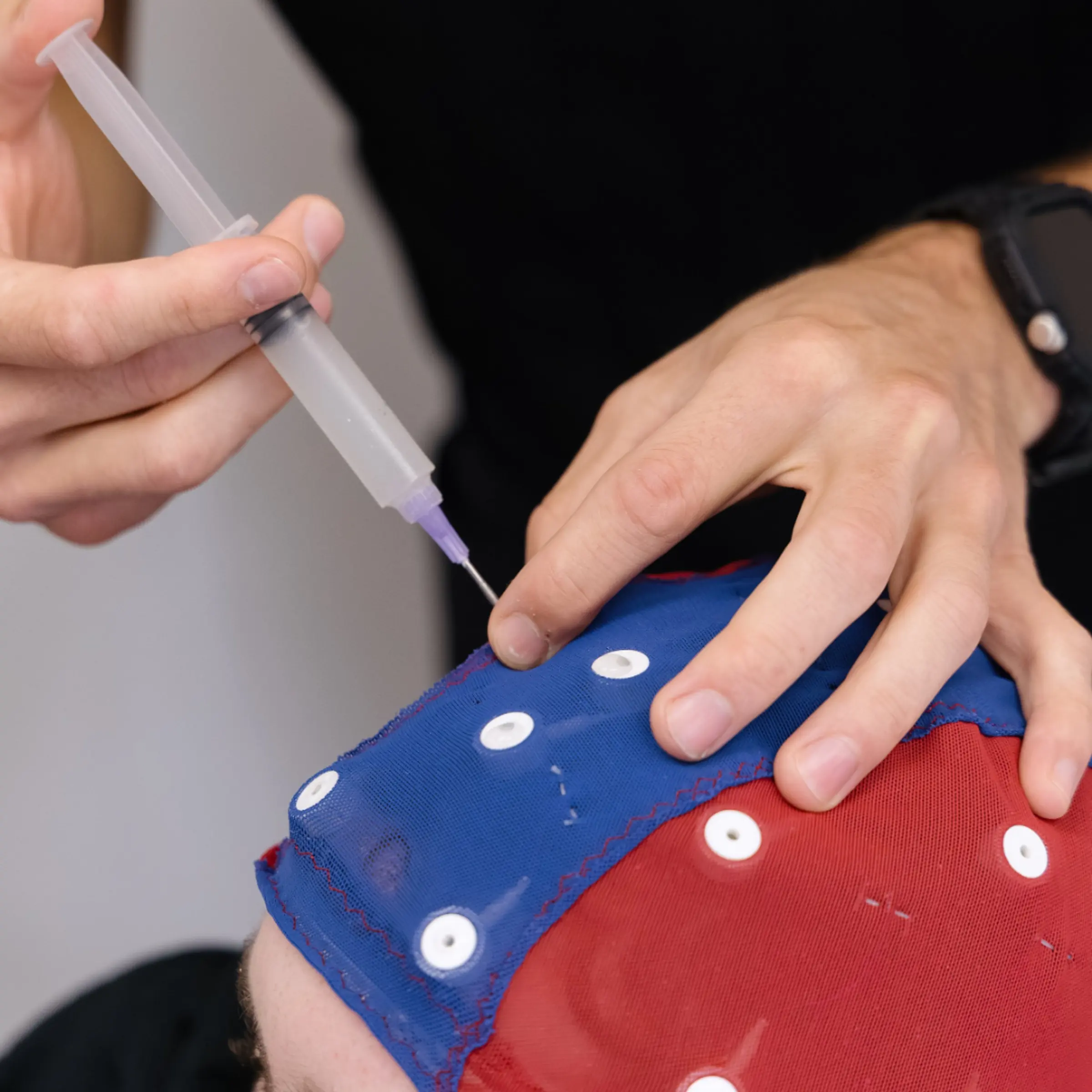
Neurofeedback is a form of EEG biofeedback, or brain training. Sensors on your scalp record your brainwaves while you watch or listen to a screen. The screen responds when your brain activity moves toward a target pattern, so you can practice that pattern again and again. The sensors only record, and nothing is sent into the brain.
Biofeedback in general teaches you to notice and change body signals such as heart rate, breathing and muscle tension. Mayo Clinic lists stress and depression among the problems biofeedback is used for, and notes that it is generally safe but not right for everyone.
In practice, neurofeedback is about self-regulation: calming a nervous system stuck in high gear, settling before sleep or holding focus for longer.
For a plain-language guide, see Mayo Clinic's overview of biofeedback.
What does the research say about neurofeedback for anxiety and mood?
The research is mixed and still growing. Biofeedback, including neurofeedback, tends to do better than no treatment, but studies have not shown that it beats other active approaches. That makes it a reasonable complement for some people, not a first-line replacement for talk therapy or medication.
One systematic review found that biofeedback and neurofeedback for anxiety did better than a wait list. They were not shown to be better than other active treatments or sham training, so their specific effect could not be separated from the general benefits of being in care.
Honest measurement matters for that reason. A good program tracks your own sleep, stress and focus over time and tells you plainly if training is not helping.
Keep in mind
Neurofeedback is not FDA-cleared for depression or anxiety, and it does not replace psychotherapy, medication or crisis care.
For the details, see the 2020 systematic review of biofeedback for anxiety disorders.
How does neurofeedback work at our office?
Patients come to our Rancho Santa Fe office from across Southern California. Your first visit takes about 90 minutes, plus data and history gathering. We talk through sleep, focus, stress and mood, and we may record a qEEG brain map to set training targets.
Training sessions follow, with regular re-checks against your goals. Neurofeedback is one of our biofeedback and brain training services, and we coordinate with your therapist or physician when you ask us to.
You can read more about emotional health support for stress and sleep, including when we recommend a referral instead.
Where should you start?
Start with a conversation with a licensed health care provider, especially if low mood or worry has lasted more than two weeks. Build in the basics: movement, steady sleep and time with people you trust.
No single tool fits everyone. The right mix is the one that fits your life, your goals and the care you already have, reviewed as you go.
If you want to add a drug-free way to practice self-regulation, read how a neurofeedback program is planned. Then book a complimentary 15-minute intro call to see whether it fits alongside your current care.
Frequently asked questions
Can neurofeedback replace antidepressants?
No. Neurofeedback is not a substitute for medication or therapy, and you should never stop a prescribed medicine without talking to your prescriber. Some people use neurofeedback alongside that care.
Is neurofeedback safe?
Biofeedback is generally safe, though it is not right for everyone. Some people feel tired or get a headache after early sessions, so we watch your response and adjust. We also check with your physician first if you have a seizure disorder.
Which kind of exercise helps low mood the most?
In a large 2024 review, walking or jogging, yoga and strength training showed the clearest benefits for depression. The best choice is the one you will keep doing, started at a level your body can handle.
Should I tell my therapist I am doing neurofeedback?
Yes. Your therapist or psychiatrist should know about every part of your care. With your permission, we are happy to coordinate with them.
Does insurance cover neurofeedback?
Coverage for biofeedback varies, and some insurers do not pay for it. We explain cost and payment options on your intro call, before you book an exam.
Add a drug-free way to practice self-regulation
Start with a complimentary 15-minute call with our team.