

After a concussion
Visual tracking, concentration and reaction time can feel off for weeks after a concussion. Drills start within what you tolerate and support attention and reaction practice after a concussion.
Rancho Santa Fe only
A step slow on the field, or foggy and distracted after an injury? DynaVision cognitive training works on how fast you see, decide and move, with a score every session.
Overview
Maybe you see the play a split second late. Maybe, after a concussion, busy scenes and quick decisions wear you out.
Both come down to how quickly your brain takes in what you see and turns it into movement. Cognitive training puts that skill to work on a wall of lights, and it is part of our sports rehab and performance care in Rancho Santa Fe.
What it is
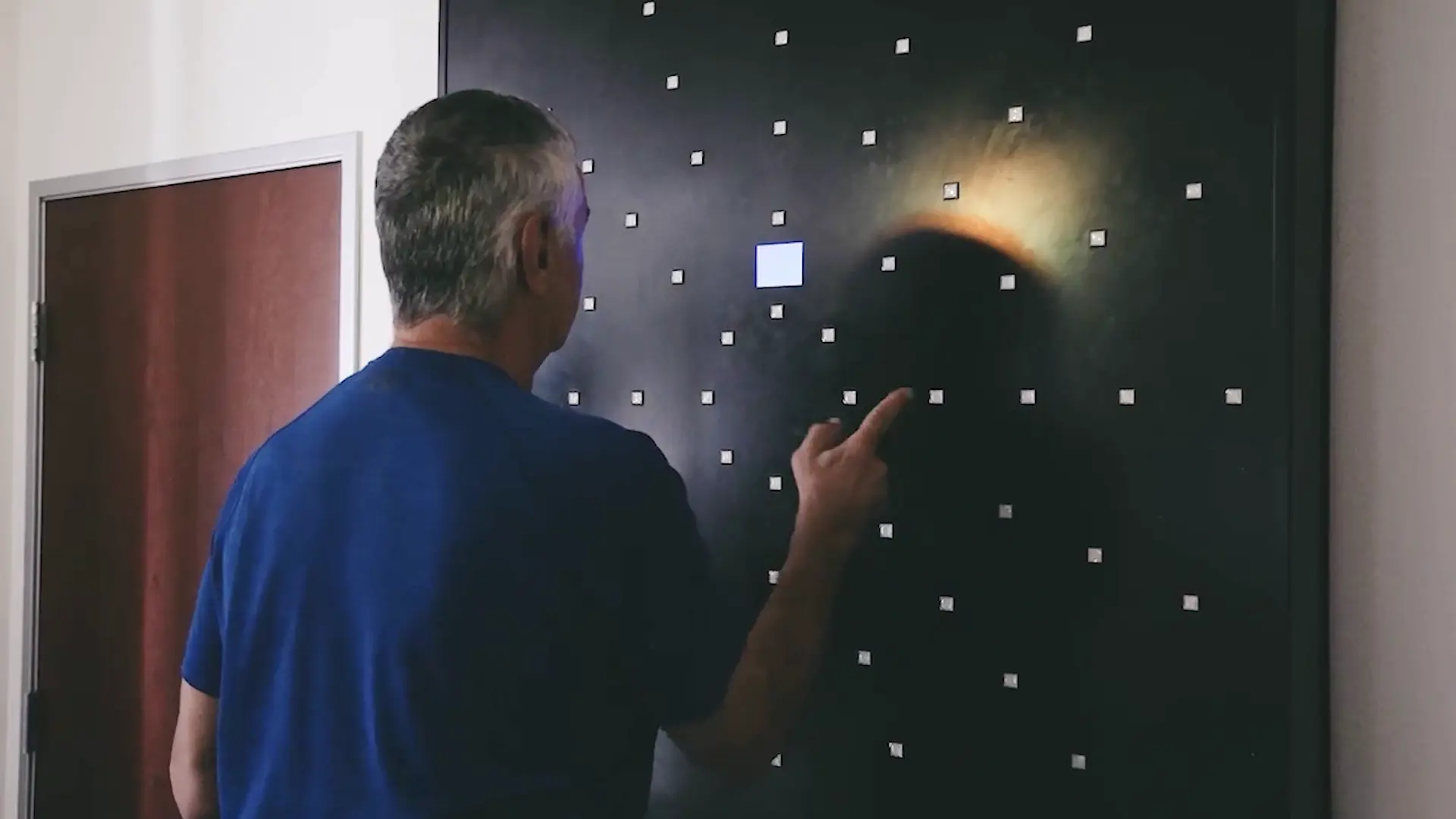
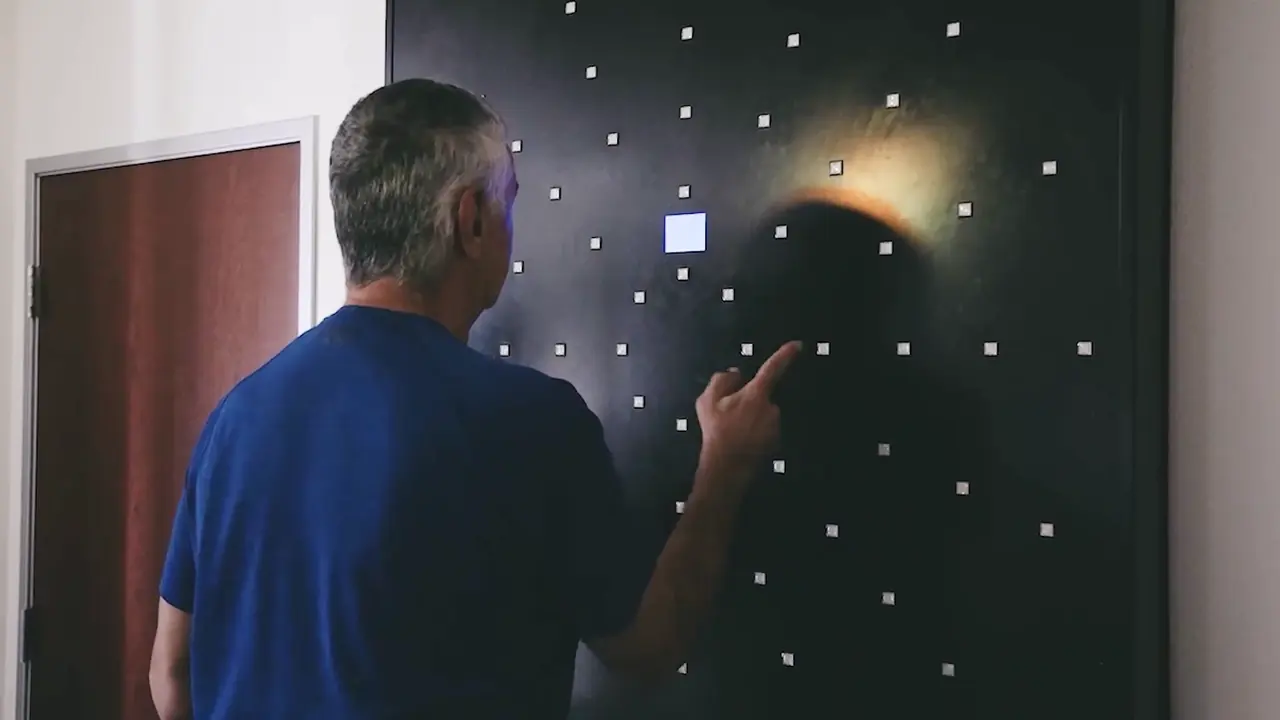
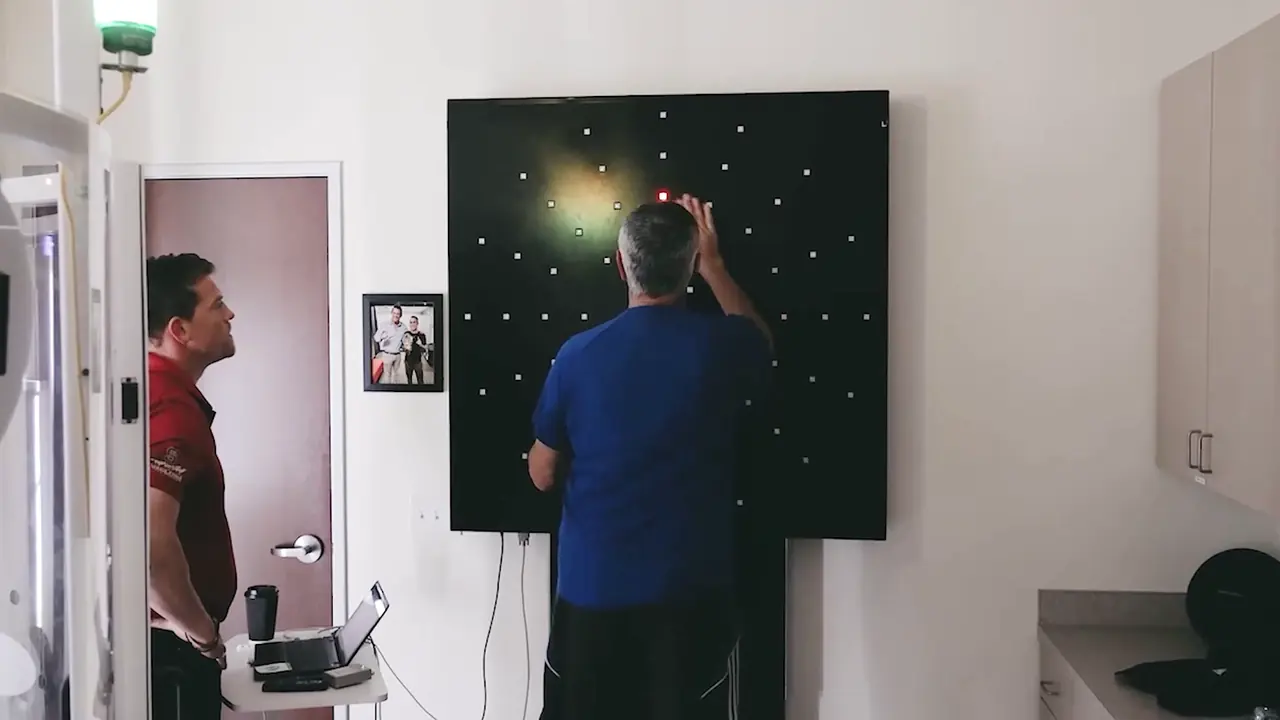
Cognitive training at True Performance uses the DynaVision D2, an interactive light board. Buttons light up across the board, and you hit each one as fast and accurately as you can, often while reading numbers or words. It trains reaction time, peripheral awareness, focus and hand-eye coordination together.
Your exam and a baseline run set the starting speed and pattern.
You hit lit targets while added tasks compete for your attention.
The board records reaction time and accuracy, and the next drill adjusts.
The re-check
Your scores are compared with your own baseline as you go. If they stop improving, we change the drills or tell you this is not the right tool.
Conditions
We add cognitive training when your exam shows a visual, attention or reaction problem. It trains function, such as focus, visual tracking and reaction time, in coordination with your medical providers.
Visual tracking, concentration and reaction time can feel off for weeks after a concussion. Drills start within what you tolerate and support attention and reaction practice after a concussion.
A traumatic brain injury can slow processing and visual attention. Light-board tasks get harder as scores improve, as part of visual attention work after a brain injury.
For people working to regain balance, coordination, and movement after a stroke, often in coordination with their medical providers, drills offer visual scanning practice after a stroke.
Screens and busy visual scenes can set off symptoms, so drills start short and dim. We add speed as you tolerate it in visual tolerance work for motion sickness.
Timed targets give structured attention practice for ADHD, working on focus and self-regulation alongside medical and school support.
Game-like drills practice scanning, focus and switching between tasks, in coordination with the person's own care team. They build skills and do not target autism itself. Read about attention and coordination goals for autistic children and adults.
Why here
The board records reaction time and accuracy each time you train. You see your numbers against your own baseline, so change is not a guess.
Drills are chosen from what your exam finds, not a set routine. Speed, pattern and added tasks change as you improve.
When your exam calls for it, we pair cognitive training with GyroStim, neurofeedback or concussion rehab.
Other options
Screen-based brain games and sports vision drills also train attention and reaction time. DynaVision adds full-arm, whole-body responses across a wide field of view, with recorded scores. We use it when your exam shows that this kind of challenge fits.
Is it for you
If the second list applies, we talk with you, and your physician if needed, before any drill.
Your visits
A complimentary call about your goals, your sport or your recovery.
About 90 minutes, plus data and history gathering. We check vision, balance, reaction and coordination.
Short drills record your starting reaction time and accuracy.
Each session builds on the last, and re-tests show whether your scores are moving.
Cost
Cost depends on your exam findings and how many sessions your plan needs. We explain it before you commit.
What your cost depends on
Booking policies

The clinic
Dr. Jeff McWhorter, D.C., a chiropractor whose practice focuses on functional neurology and performance, uses DynaVision because it turns reaction and focus into numbers you can track. Professional athletes train with us, and so do people working to regain everyday skills after an injury.
Cognitive training is one part of our athlete-focused rehab and performance program. Book an exam to set your baseline.
Visit
Rancho Santa Fe only
Cognitive training is available at our Rancho Santa Fe office only: 18029 Calle Ambiente, Suite 507, in Cielo Village. We are about two miles from Lake Hodges, an easy drive from across North County San Diego.
The first step
You keep your eyes on the center of the DynaVision board and hit buttons as they light up around the edges. Numbers or words can appear in the middle to test attention and decisions at the same time.
Sports that demand fast visual recognition and reactions, such as football, basketball, hockey, baseball, soccer and tennis. Drills match your position.
We explain cost and payment options on your intro call, before you book an exam. The total depends on how many sessions your plan needs.
Only after a physician has checked the injury, and only within what you tolerate. We start slowly and lower the challenge if symptoms climb.
That depends on your baseline, goals and consistency. We track reaction time, accuracy and focus scores so you can see whether they are changing.
Journal
Start with a complimentary 15-minute call with our team.


