
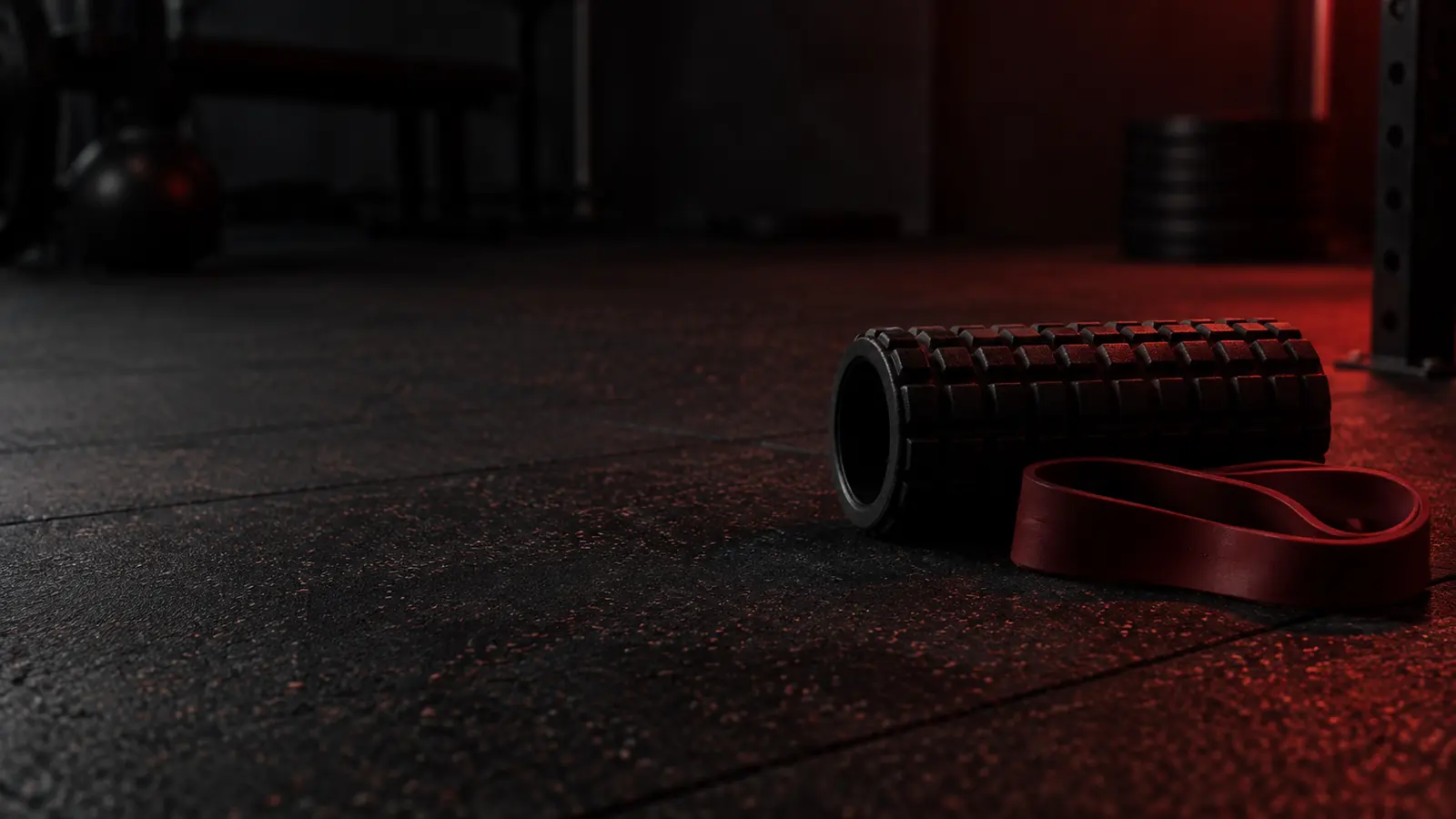
Overuse and repetitive strain
Repeated lifting, gripping, running or holding one position can overload a muscle over time.
Soreness that lasts well past a hard workout, or tension that returns every stressful week, is worth a closer look. We find what keeps the muscle irritated and plan care around how you move.
The short answer
Muscle pain, also called myalgia, is aching, tightness or soreness in one or more muscles, often from overuse, a strain or tension. At True Performance in Rancho Santa Fe, CA, we look at how it started and what keeps it going. Care can combine Class IV laser therapy, near-infrared light, PEMF therapy and performance training that builds capacity.
Overview
Most people know the ache that follows a tough workout. Soreness that lasts, keeps returning with the same task or starts limiting your strength is different.
Sometimes it reflects a strained or overworked muscle. Other patterns involve nerves, circulation or a wider health concern, which is why the exam comes first.
We ask when the pain began, which movements set it off and how it affects your strength and training. Then we check the muscle, the joints around it and how you move.
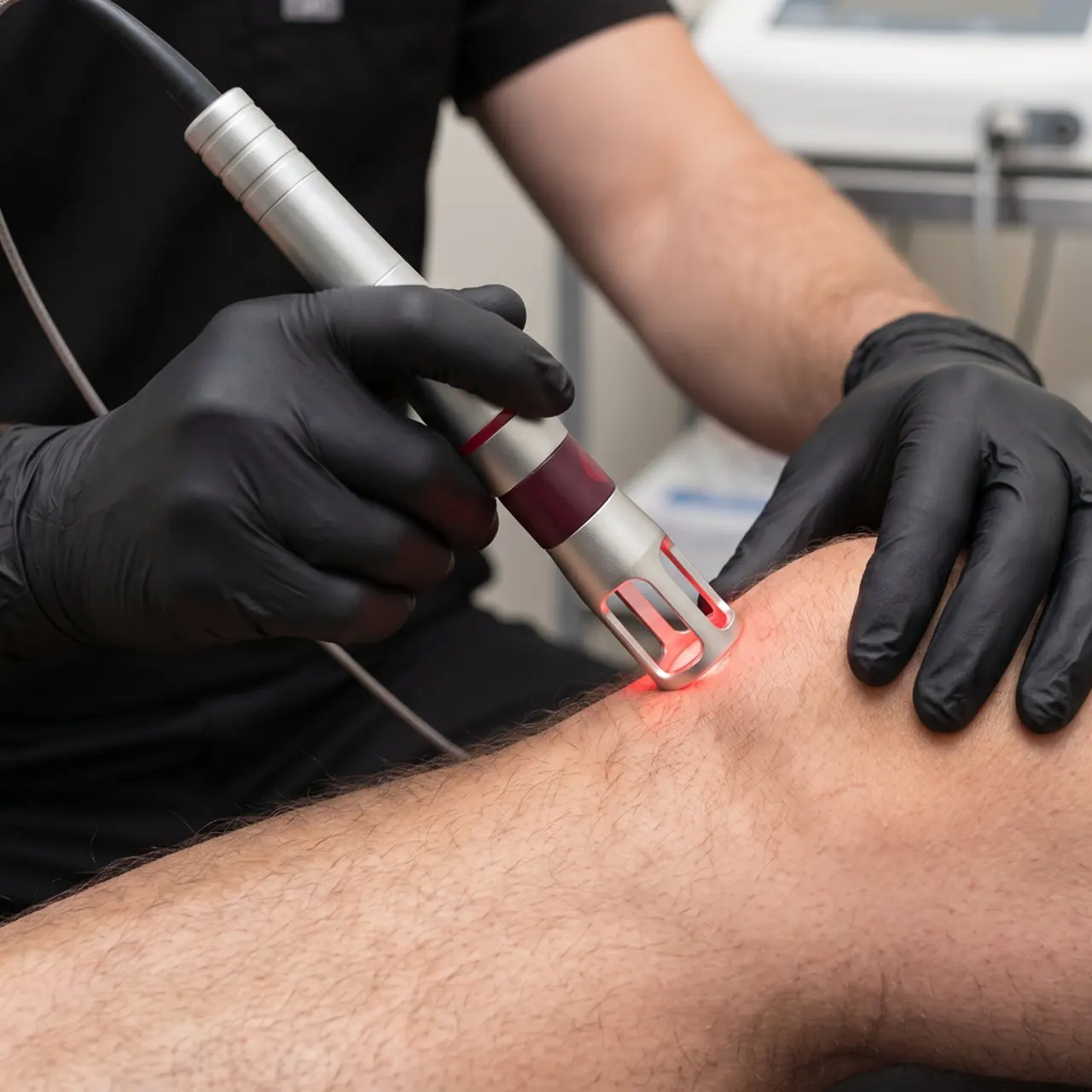
Care often starts with Class IV laser for strained muscles, alongside movement and strength work that keeps you active.
Understanding
Muscle pain, or myalgia, is aching or soreness in one or more muscles. It usually comes from overuse, a strain or tension, and it can also be linked to medications, circulation problems or illness. The timing, location and behavior of the pain help show what is driving it.
A muscle is strained, overloaded or held tense too long.
Tightness and guarding change how you move.
Nearby muscles take extra load, and the pain returns.
The re-check
We re-check strength, tenderness and the task that hurts at each visit. If the muscle is not improving, we adjust the plan or point you to your physician.
Symptoms
Causes
Repeated lifting, gripping, running or holding one position can overload a muscle over time.
Fast acceleration, hard braking, awkward rotation or a direct hit can stretch or tear muscle fibers.
Stress can keep the neck, shoulders, jaw and back tight for hours, especially during focused work.
Aching or cramping in the legs that comes on with walking and eases with rest needs a medical assessment.
Some medications, infections and autoimmune conditions cause muscle aches, so we ask about recent changes.
Injury, overuse and tension or stress are the most common causes of muscle aches, according to the MedlinePlus guide to muscle aches.
Our approach
We treat muscle pain by finding why the muscle stays irritated, then pairing hands-on and light-based care with training that builds capacity. Care can combine Class IV laser therapy, near-infrared light, PEMF therapy, sports injury rehab and performance work, with a regenerative therapies consultation when it fits.
Concentrated light is positioned over sore or overloaded muscles and nearby connective tissue. Timing follows your exam and how long the pain has lasted. See laser therapy for overloaded muscles.
Near-infrared light is applied over sore or tight soft tissue as one part of a wider plan. Read about near-infrared sessions for sore muscles.
Brief electromagnetic pulses target the painful region with no needles or force. Learn about PEMF therapy for muscle tension and soreness.
Targeted training looks at the strength demands and weak points behind a recurring strain. Explore strength and movement training for recurring strains.
When muscle pain keeps returning, regenerative options for muscle pain that returns start with a consultation.
After a fresh hamstring, calf or groin strain, rehab rebuilds load in steps before you return to full-speed training. See rehab for a pulled muscle.
Red flags
Most muscle pain settles with time and the right load. Some signs need a physician quickly.
If you notice any of these, contact your physician right away, or call 911 if you are short of breath.

Your clinician
Dr. Jeff McWhorter, D.C., a chiropractor whose practice focuses on functional neurology, concussion rehabilitation, and performance, leads your exam. He checks the sore muscle, the joints around it and the way you move under load.
We look at your whole week: desk hours, training, riding, golf or running, and the motions that keep setting off the pain. The plan aims to keep you doing the activities that matter to you.
Visit
Our office is at 18029 Calle Ambiente, Suite 507, in Cielo Village, Rancho Santa Fe, close to the Lake Hodges trails many local runners and cyclists use. Patients also come from Del Mar, La Jolla and the wider San Diego area.
The first step
Soreness often peaks the day after unfamiliar or hard exercise. Light movement, fluids and a break from hard work for that muscle group usually help. Sudden sharp pain, marked swelling, unusual weakness or dark urine need prompt medical attention.
Contact a provider when muscle pain lasts more than 3 days, is severe and unexplained, or comes with swelling, redness or a rash. Pain that began with a new medication or dose change also deserves a call.
Yes. Stress can keep the neck, shoulders, jaw and back tight for long periods, and the pain often rises and falls with your stress level.
We talk through the problem, run a focused physical exam and explain what the findings suggest. If another type of evaluation should come first, we tell you.
We explain cost and payment options on your complimentary intro call, before you book an exam.
Start with a complimentary 15-minute call with our team.