TransLingual NeuroStimulation in Rancho Santa Fe, CA

When balance, walking or dizziness has stalled with exercise alone, TLNS adds gentle stimulation through the tongue while you practice. Every session is set by your exam.

Overview

Some rehab goals stall. Your balance is better but not steady, walking still takes effort, or dizziness returns no matter how many exercises you do.

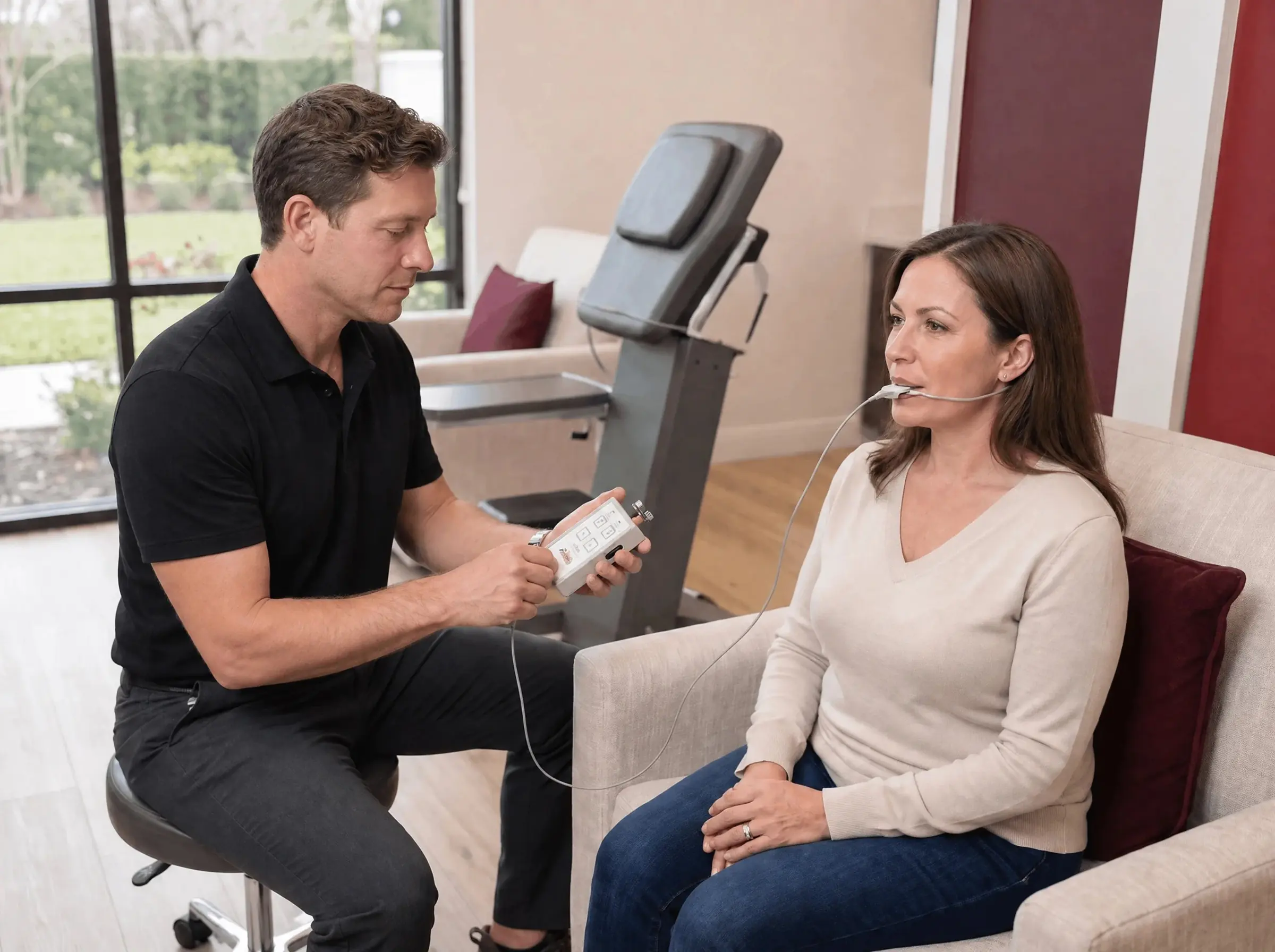
TransLingual NeuroStimulation, or TLNS, adds a steady stream of sensory input while you practice. A small applicator rests on your tongue and sends gentle pulses as you work on balance, movement or visual tasks.

It is one of the tools used in the neuro rehabilitation programs at our center, always alongside exercise.

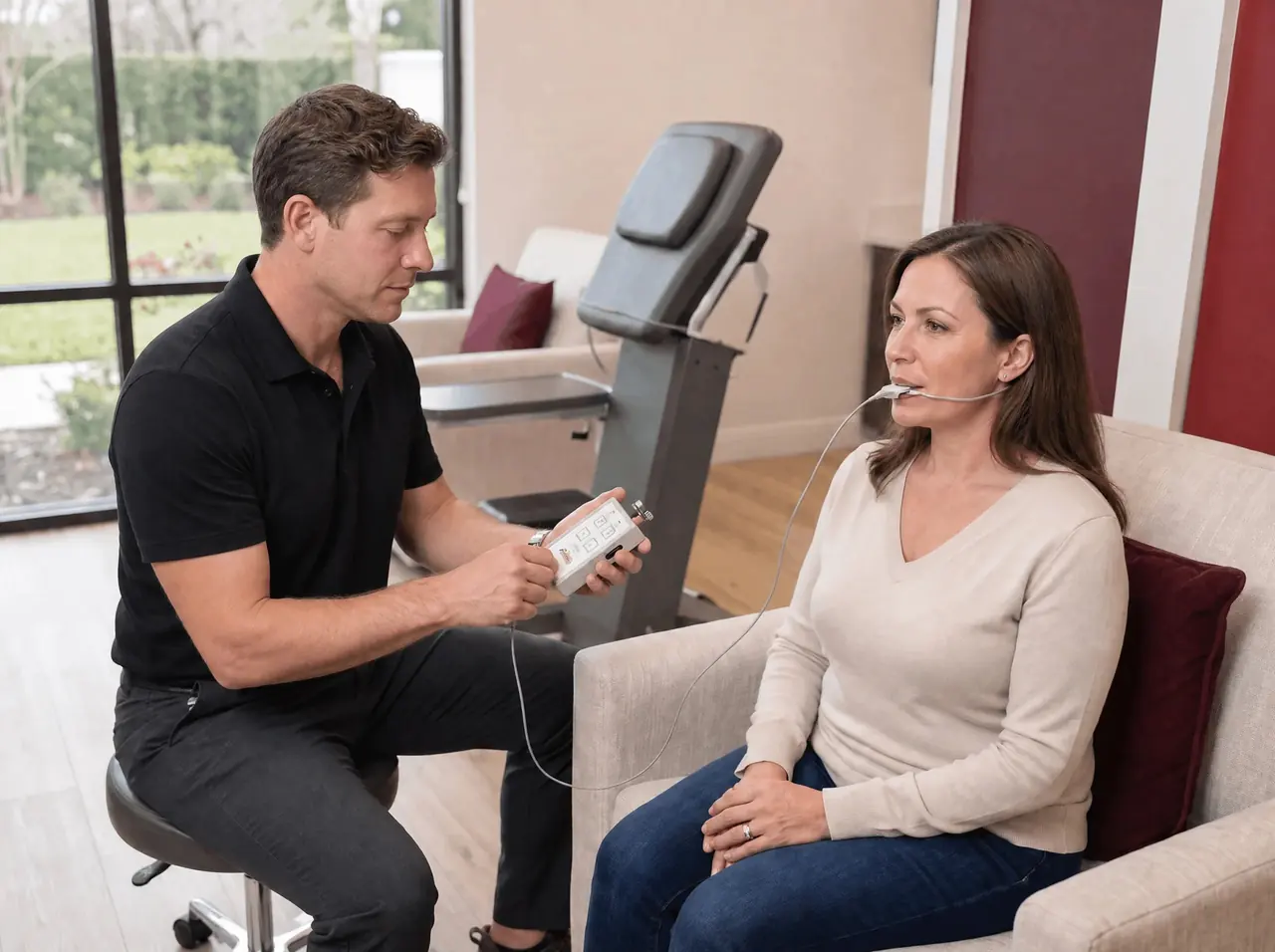
Clinician adjusting a handheld controller as a seated patient holds a tongue applicator

What it is

What is TransLingual NeuroStimulation (TLNS)?

TransLingual NeuroStimulation (TLNS) is a non-invasive therapy that sends gentle electrical pulses through a small applicator on the tongue. The tongue's nerves connect to the brainstem, so the stimulation adds sensory input while you practice balance, movement or thinking exercises chosen from your exam.

  • TransLingual NeuroStimulation (TLNS)

How it works

  1. Your exam picks the skills to train, such as balance or walking.

  2. The applicator rests on your tongue and delivers gentle pulses.

  3. You practice those skills during or right after stimulation.

What it helps with

  • Balance and walking problems after a brain injury
  • Movement and coordination changes after a stroke
  • Recurring dizziness or vertigo, once the cause is checked
  • A rocking or swaying feeling that will not settle

When it is not the right tool

  • Symptoms that have not had a medical evaluation
  • A replacement for care of the underlying condition
  • Anyone not yet able to take part in active exercise

The re-check

We track your balance, walking and symptom scores as you go. If they stop improving, we change the plan or tell you TLNS is not the right tool.

Why stimulate the tongue?

The tongue is packed with sensory nerve endings. Through the trigeminal and facial nerves, they connect to the brainstem, which helps control balance and movement.

Stimulating those pathways while you practice a skill is meant to support neuroplasticity, the brain's ability to adapt through repeated, focused activity.

Conditions

Goals TransLingual NeuroStimulation (TLNS) can support

We consider TLNS when your exam shows a balance, movement or sensory problem that exercise alone has not moved. These are the conditions where it most often fits.

Why here

Why TransLingual NeuroStimulation (TLNS) at True Performance

  • Non-invasive

    Stimulation goes through the surface of the tongue. There is no surgery, no injection and no implant.

  • Always paired with practice

    TLNS is used during active exercise, never as a stand-alone device session, so every minute works on a skill you need.

  • Adjusted to your comfort

    Intensity, timing and exercises change with your comfort, your scores and how you respond.

Other options

Compare your options

TLNS is not the only route. Physical, occupational or vestibular therapy helps many people, and for some it is enough. We suggest TLNS when your exam shows a balance or movement problem that has stalled with exercise alone.

Is it for you

Is TransLingual NeuroStimulation (TLNS) right for you?

A good fit if

  • A physician has evaluated your condition
  • Balance, walking or dizziness still limits daily life
  • You can take part in active exercise during sessions

We check first if

  • Your symptoms are new or getting worse
  • Mouth, tongue or dental problems make an applicator uncomfortable
  • Your doctor has limited your activity

If the second list applies, we check with your physician before any session.

Your visits

What to expect

  1. A 15-minute intro call

    A complimentary call about your symptoms and goals.

  2. Your comprehensive exam

    About 90 minutes, plus data and history gathering. We check balance, walking, coordination and eye movement.

  3. A TLNS session

    The applicator rests on your tongue while you complete balance, movement or visual exercises. Most people describe a mild tingling.

  4. Re-check and adjust

    We review your scores and symptoms, then adjust the stimulation, the exercises or the plan.

Cost

Cost and insurance

Cost depends on your exam findings and how many TLNS sessions your plan includes. We explain it before you start.

What your cost depends on

  1. How detailed your first exam needs to be
  2. The number of TLNS sessions in your plan
  3. Which exercises or services TLNS is paired with
  4. How often you can come in, including travel

Booking policies

  • Complimentary 15-minute intro call
  • A card on file reserves your appointment

Ask us: (858) 285-0073

Dr. Jeff McWhorter, D.C.

The clinic

Why choose True Performance

Dr. Jeff McWhorter, D.C., a chiropractor whose practice focuses on functional neurology, uses TLNS as one piece of a measured plan, never as a device you sit with on its own. Each session is built around the exercises your exam calls for, and we re-test as you go.

TLNS is part of the brain and body rehabilitation at our Rancho Santa Fe center. Book an exam to find out whether it fits your goals, and we will tell you plainly if it is not helping.

Proof

Where the pros go

5.0Google reviews

Athletes and performance professionals we have worked with

Meet all 12 athletes

DeMarcus Walker

NFL Defensive End, Broncos, Texans, Titans, Bears, and Commanders

Christian McCaffrey

NFL running back, San Francisco 49ers

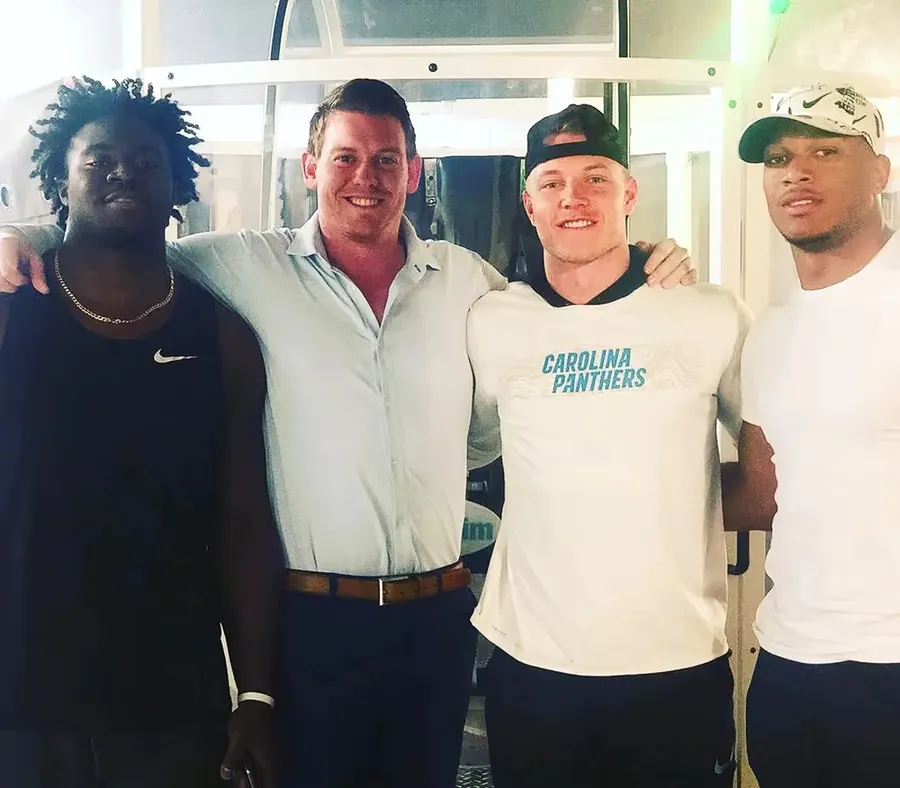
Christian McCaffrey and DJ Moore with Dr. Jeff McWhorter, D.C. at True Performance

Christian McCaffrey / DJ Moore

NFL Athletes

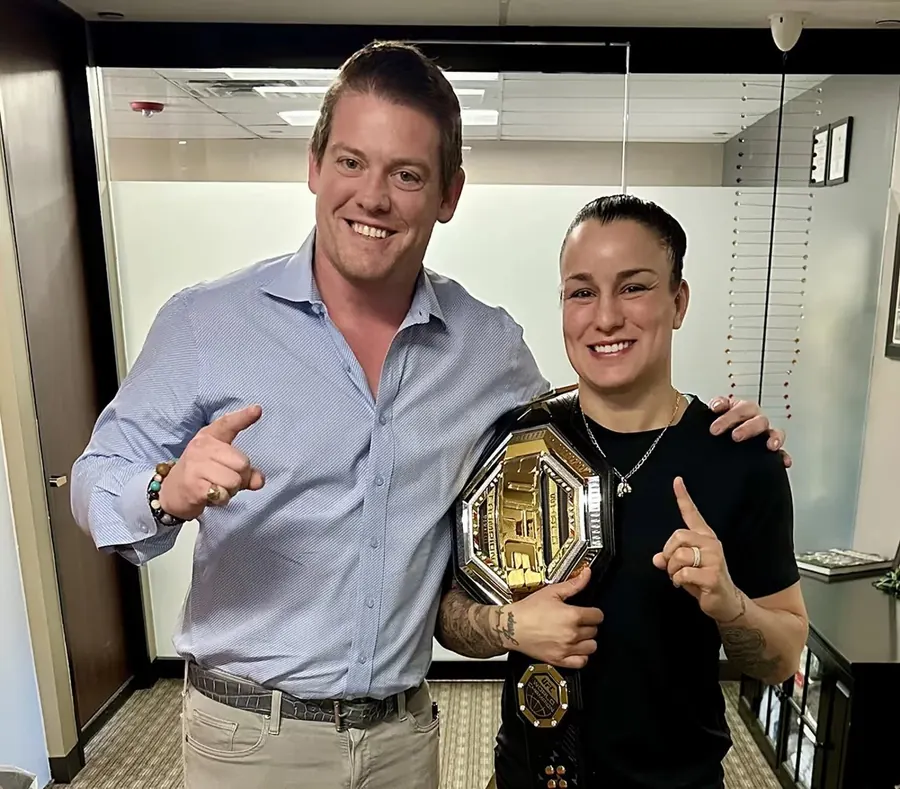
Raquel Pennington with Dr. Jeff McWhorter, D.C. at True Performance

Raquel Pennington

UFC World Champion

DeMarcus Walker with Dr. Jeff McWhorter, D.C. at True Performance

DeMarcus Walker

NFL Defensive End, Broncos, Texans, Titans, Bears, and Commanders

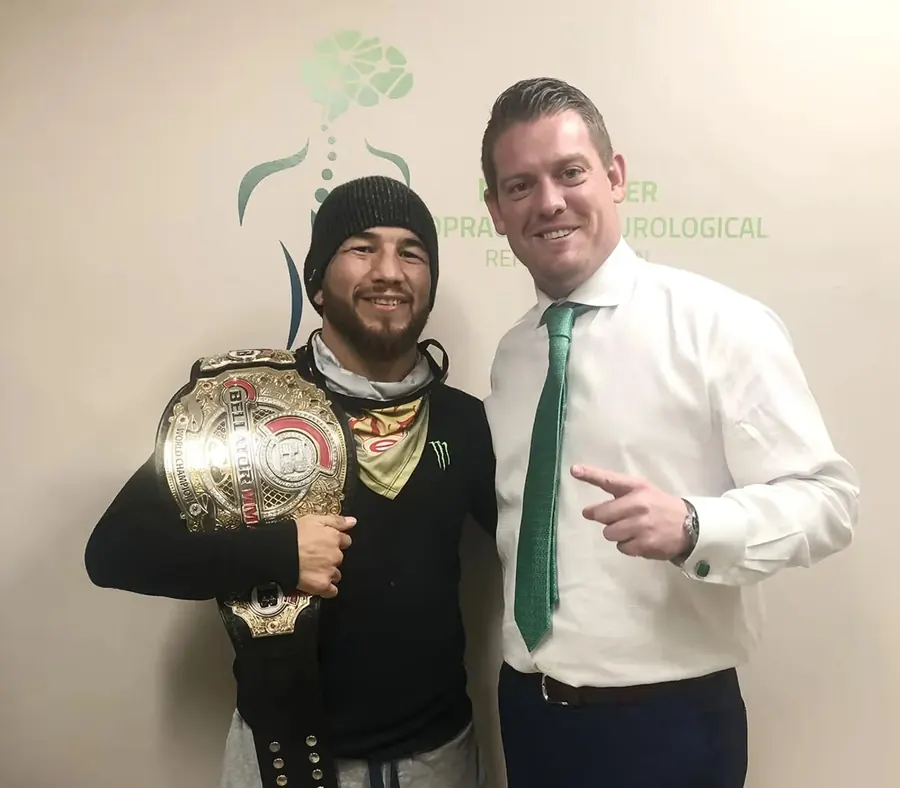
Juan Archuleta with Dr. Jeff McWhorter, D.C. at True Performance

Juan Archuleta

Bellator Bantamweight World Champion and Rizin Bantamweight Champion

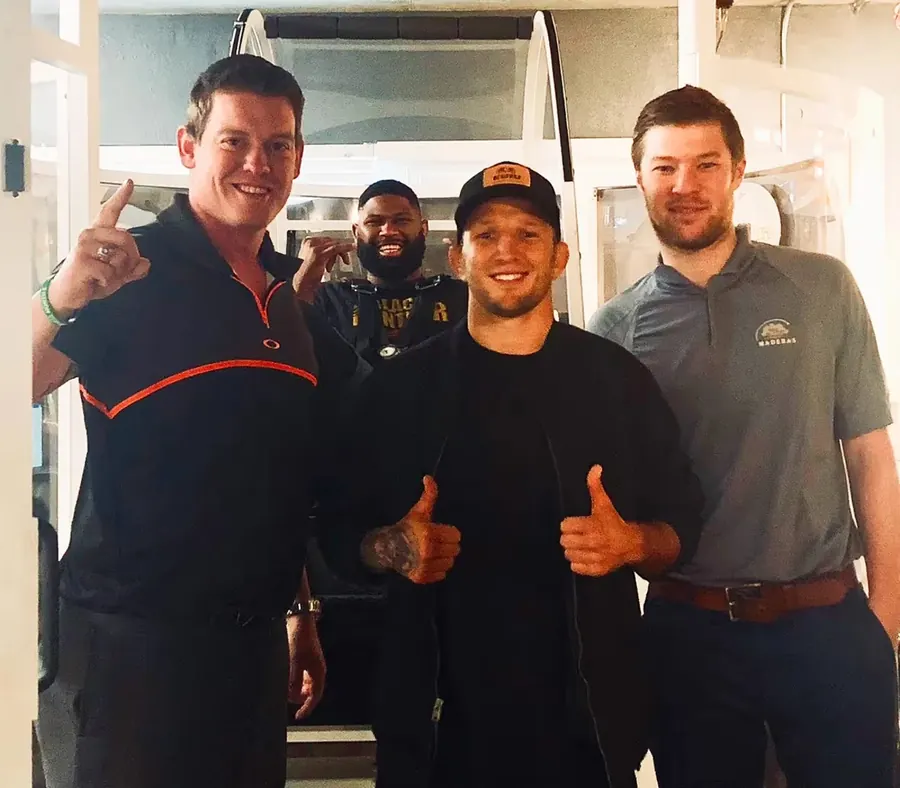
Curtis Blaydes and TJ Dillashaw with Dr. Jeff McWhorter, D.C. at True Performance

Curtis “Razor” Blaydes / TJ Dillashaw

#4 in the UFC Heavyweight Rankings / Ultimate Fighting Championship and UFC Bantamweight Champion

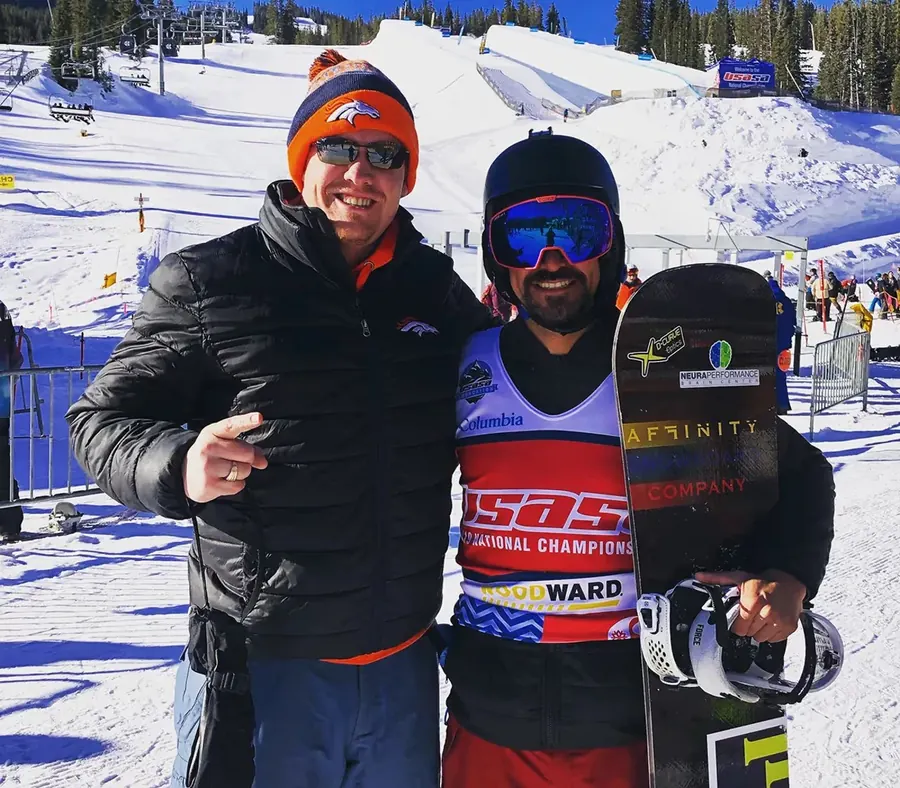
Corey Zalewski with Dr. Jeff McWhorter, D.C. on the snow

Corey Zalewski

Colombian National Team Snowboarder

Visit

Where to find TransLingual NeuroStimulation (TLNS)

TLNS sessions take place at our Rancho Santa Fe office: 18029 Calle Ambiente, Suite 507, in Cielo Village. We are about two miles from Lake Hodges, and patients come from across San Diego County and beyond.

The first step

Schedule Your TransLingual NeuroStimulation Consultation

  1. 01Start with a complimentary 15-minute intro call
  2. 02Every session is set by your own exam
Prefer to talk now? (858) 285-00735.0 Google reviews

Questions

TransLingual NeuroStimulation (TLNS) questions

Ask us: (858) 285-0073

Is TransLingual NeuroStimulation invasive?

No. There is no surgery, injection or implant. A small applicator on the tongue sends gentle pulses, and most people feel a mild tingling.

How long does a TLNS session take?

It varies, because TLNS is paired with exercises or another service. After your exam, we explain the stimulation time and how each session is structured.

Does insurance cover TLNS?

We go over cost and payment options on your intro call, before you book an exam. Your total depends on your plan.

Is TLNS the same as the PoNS device?

PoNS is the FDA-authorized brand of tongue stimulator, for walking problems from MS and chronic stroke. At your exam we explain the device we use and its status for your condition.

Who is TLNS not right for?

It does not replace medical care for the underlying condition, and it only works as part of active exercise. If you cannot exercise yet, we wait or suggest other options.

Journal

Read more about TransLingual NeuroStimulation (TLNS)

Planned post · links when publishedWhen Vertigo Keeps Coming Back: Causes and Next Steps
Planned post · links when publishedStroke Recovery After Discharge: What Comes Next

Find out whether TLNS fits your rehab

Start with a complimentary 15-minute call with our team.

Call Book