

Lingering concussion symptoms
A concussion can leave attention, memory, sleep and mood a step behind. Set from your brain map, neurofeedback can become one part of rehabilitation for post-concussion symptoms.
Scattered focus, a mind stuck in high gear or poor sleep can follow an injury or years of stress. Neurofeedback lets you practice steadier brain patterns, guided by your own brain map.
Overview
Maybe you read the same page three times, or lie awake with your mind racing. Maybe a concussion or stroke left your thinking slower.
Neurofeedback is a way to train the brain without medication. You watch or listen to a screen, and it responds in real time as your brainwaves move toward the pattern you are practicing.
It is one of the core services of our brain training and biofeedback program in Rancho Santa Fe, planned from a full exam.
What it is
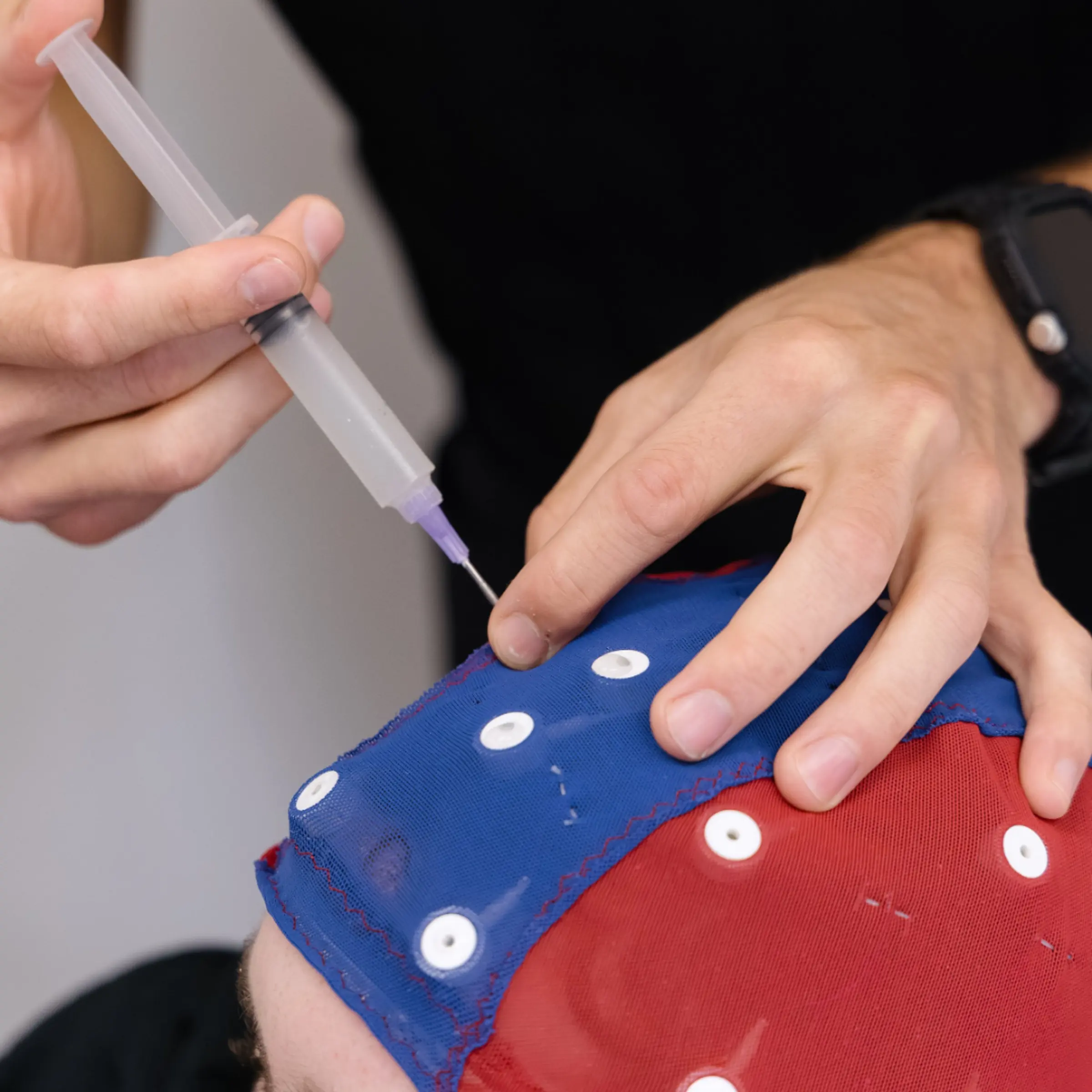
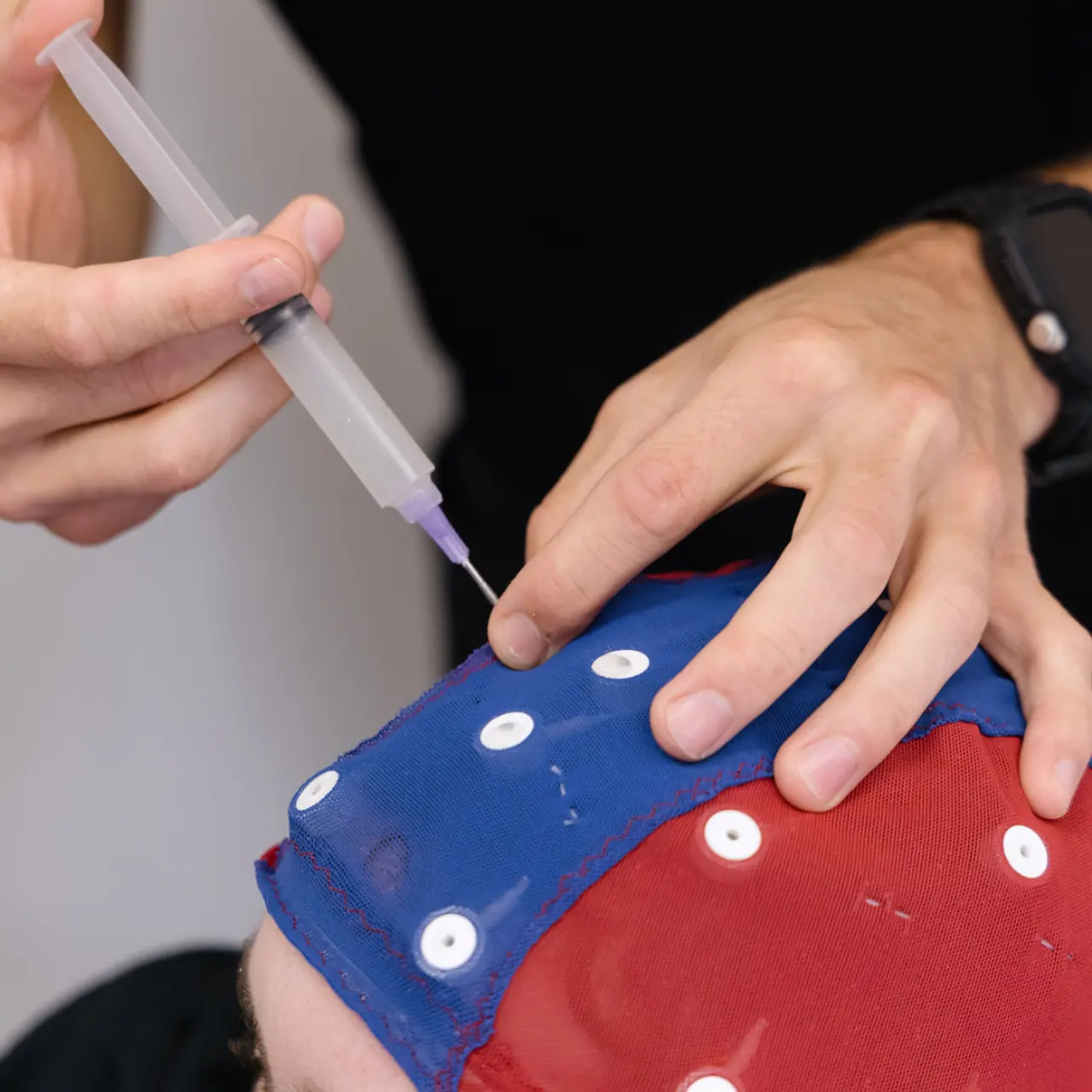
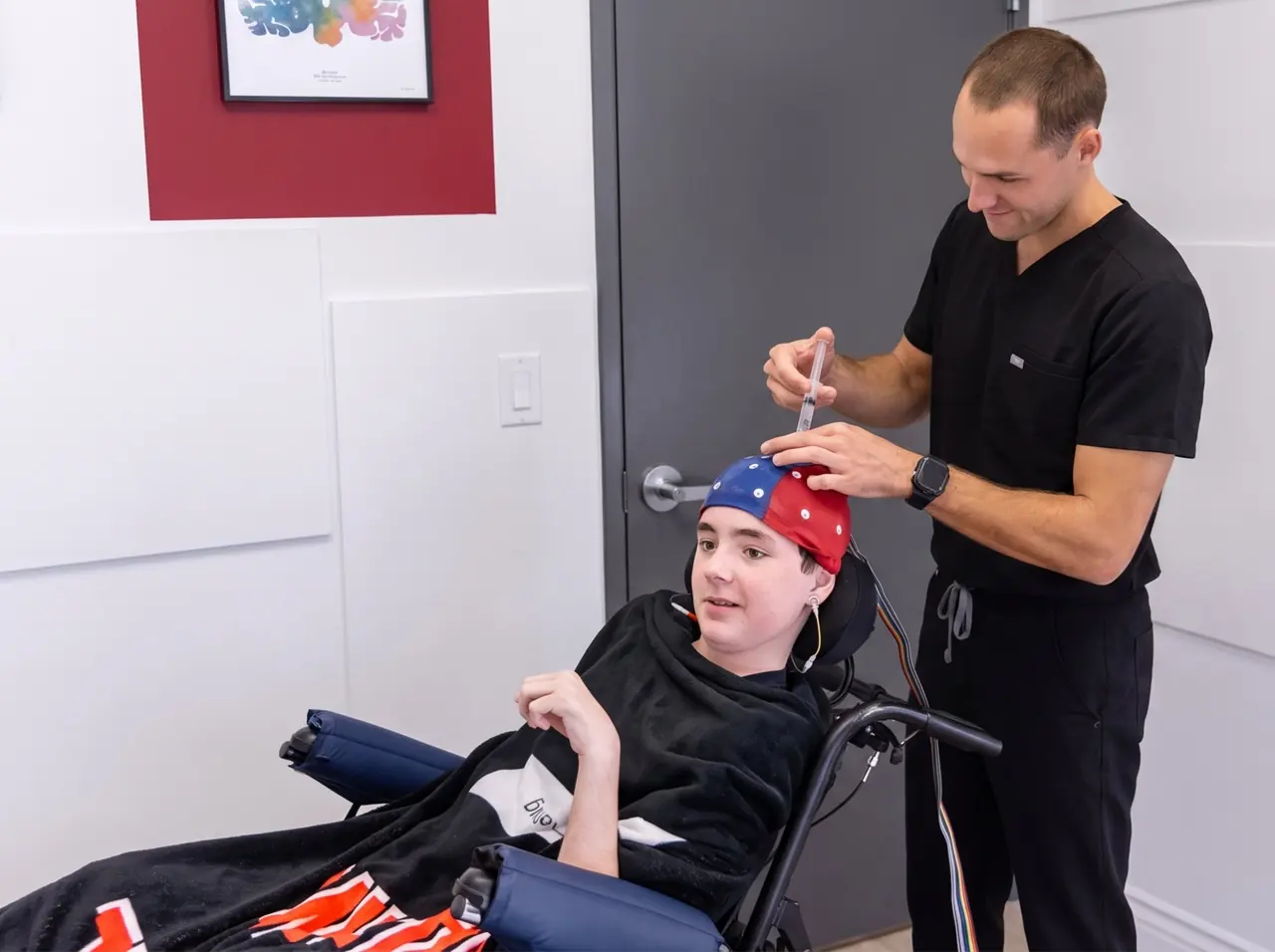
Neurofeedback is a form of brain training. Sensors on your scalp record your brainwaves while you watch or listen to a screen, and the screen responds when your brain activity moves toward the pattern set for your goals. With repetition, you practice that pattern.
Your exam and a qEEG brain map set the training targets.
Scalp sensors read your brainwaves while you watch or listen.
The picture or sound responds when you hit the target pattern.
The re-check
We repeat your symptom checks and, when useful, the brain map. If the numbers and your daily life are not changing, we adjust the protocol or tell you plainly.
No. The sensors only record, much like a standard EEG. Some people feel tired or get a headache after early sessions, so we watch your response and adjust.
Conditions
We use neurofeedback when your exam points to focus, sleep, stress or thinking problems.
A concussion can leave attention, memory, sleep and mood a step behind. Set from your brain map, neurofeedback can become one part of rehabilitation for post-concussion symptoms.
Focus, processing speed, sleep and emotional control can all change after a traumatic brain injury. In coordination with your medical providers, neurofeedback supports thinking and sleep goals after a brain injury, guided by measured brainwave patterns.
For people working to regain focus and thinking skills after a stroke, often in coordination with their medical providers, neurofeedback can support cognitive rehabilitation after a stroke. Training starts once you are medically stable.
Structured practice with calming brain patterns can support care for anxiety and ongoing stress, coordinated with a mental health professional when needed.
Training practices brain patterns linked with attention, focus and self-regulation, as part of support for ADHD and focus, never in place of your doctor's plan.
Some autistic children and adults want to work on attention, sleep or sensory processing, in coordination with their care team. Neurofeedback trains those functions; it does not target autism itself or aim to change who a person is. Read about attention and sensory goals for autistic individuals.
Why here
A qEEG brain map shows which patterns look overactive, underactive or out of sync. We read it with your exam and symptoms to set your targets.
Our remote program, run with Neuro-Matrix and Neuronics, puts training equipment in your home, with weekly telehealth check-ins.
Neurofeedback can run alongside concussion rehab, GyroStim and DynaVision training at the same office.
We work with BrainMaster, Cygnet, NeuroGuide and Neuronics, with WAVi for some EEG checks.
Other options
| Option | What it involves | When it fits |
|---|---|---|
| qEEG-guided neurofeedback | A brain map first, then brainwave training set from it | Focus, stress, sleep or thinking problems with a measurable pattern |
| Heart rate and other biofeedback | Feedback on breathing, heart rate or muscle tension | Stress and relaxation training; we can add it to your plan |
| EMDR or talk therapy | Sessions with a licensed mental health professional | Trauma, anxiety or mood as the main concern; we do not provide it |
| Medication | Prescribed and monitored by your physician | When symptoms need medical care; we do not prescribe |
These options often work together, and we coordinate with the clinicians who provide them.
Is it for you
If the second list applies, we talk with your physician or therapist before training starts.
Your visits
A complimentary call about your goals and in-clinic or remote training.
About 90 minutes, plus data and history gathering, which can include a qEEG recording.
We review the map with your symptoms and set your training targets.
You watch or listen while the screen responds to your brainwaves.
We compare your symptoms and, when useful, a repeat map, then update the targets.
Cost
Cost depends on your exam and plan. We explain it before you commit.
What your cost depends on
Ask us about cost and payment on your intro call.
Booking policies

The clinic
Your plan starts with an exam led by Dr. Jeff McWhorter, D.C., a chiropractor whose practice focuses on functional neurology and concussion rehabilitation. Lex Merrifield, our Neurofeedback Director, runs the day-to-day training program.
Neurofeedback is one part of our biofeedback therapist services in Rancho Santa Fe, CA. Book an exam to see whether it fits your goals.
Proof
NFL Defensive End, Broncos, Texans, Titans, Bears, and Commanders
NFL running back, San Francisco 49ers
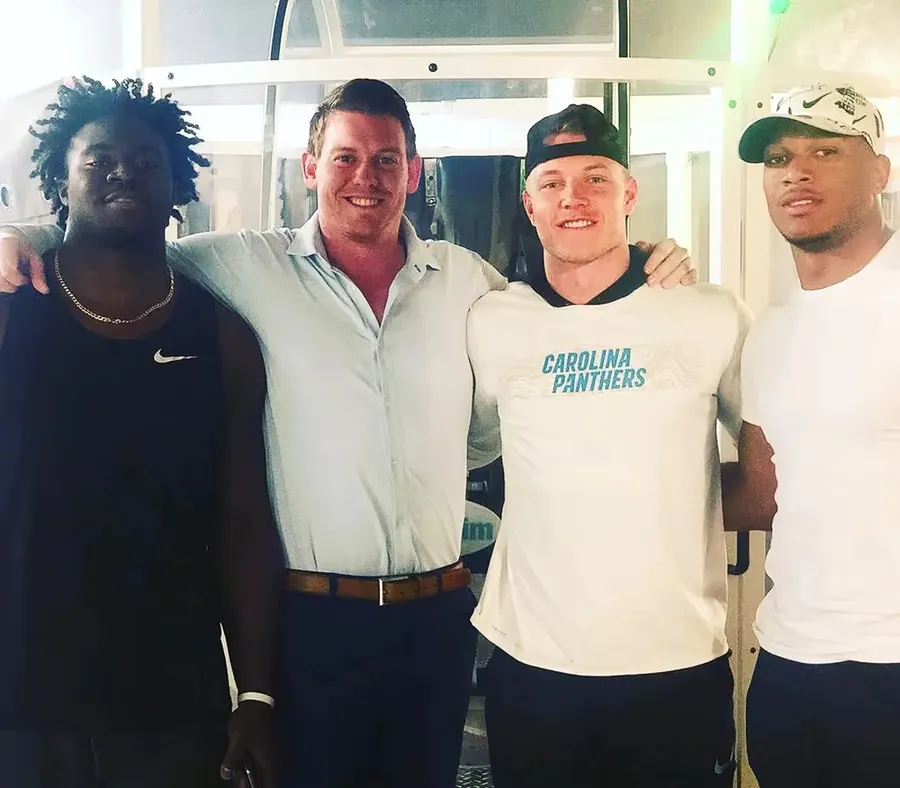
NFL Athletes
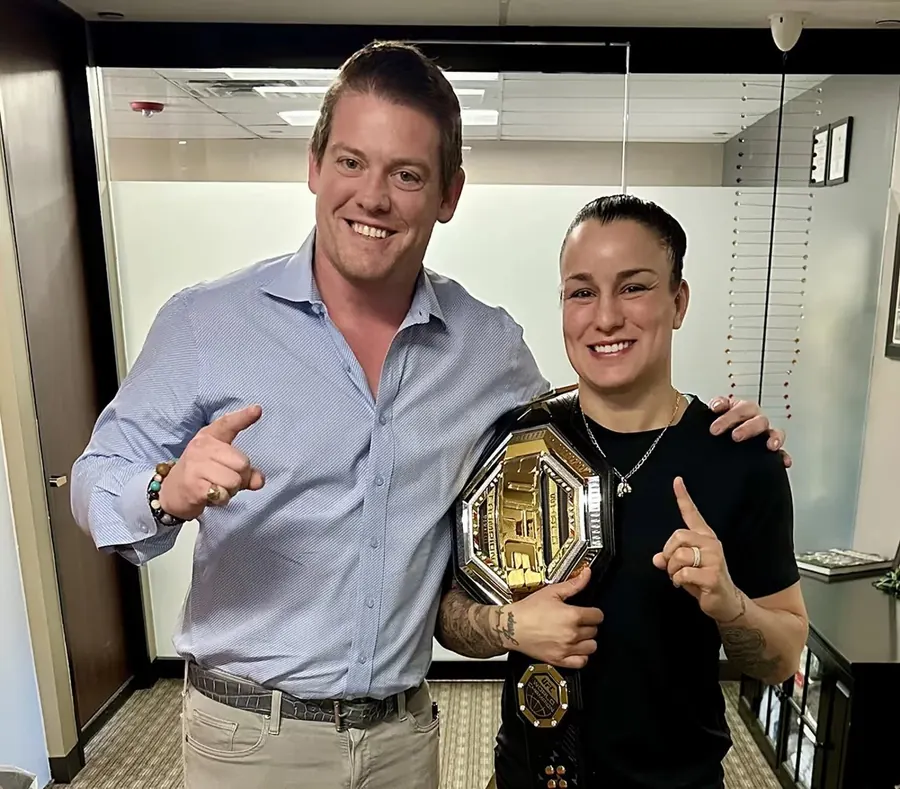
UFC World Champion
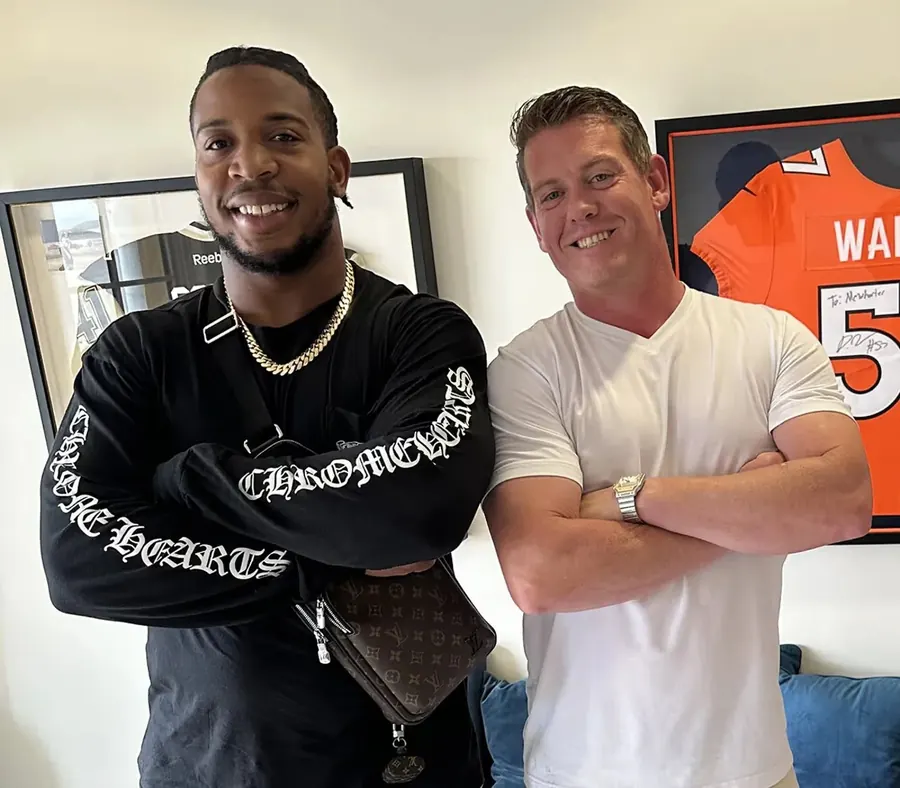
NFL Defensive End, Broncos, Texans, Titans, Bears, and Commanders
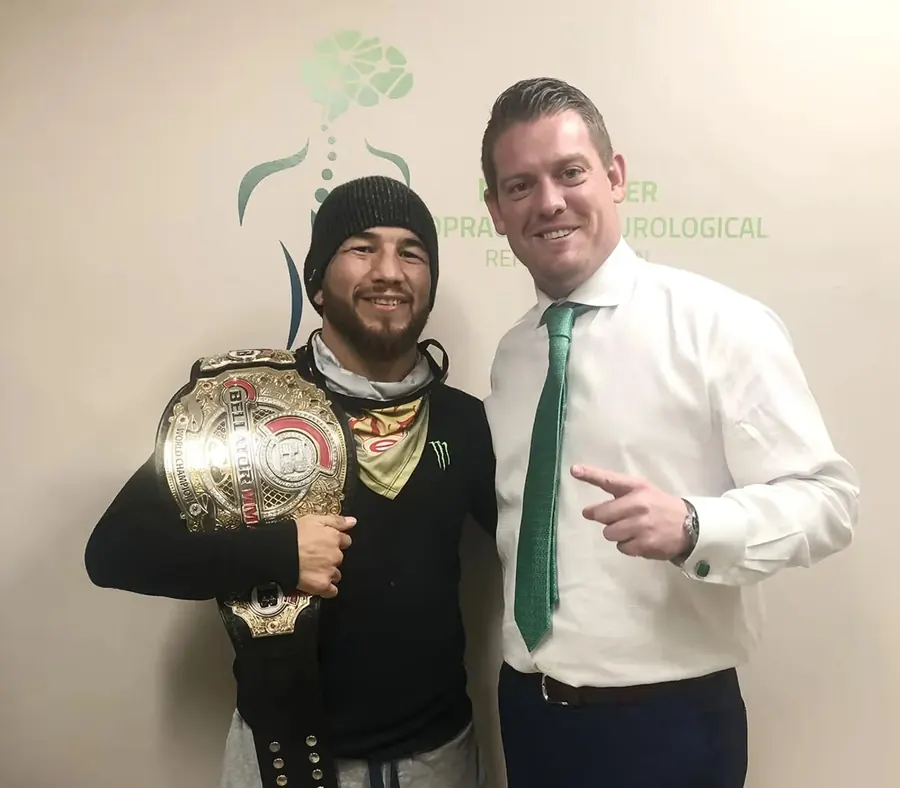
Bellator Bantamweight World Champion and Rizin Bantamweight Champion
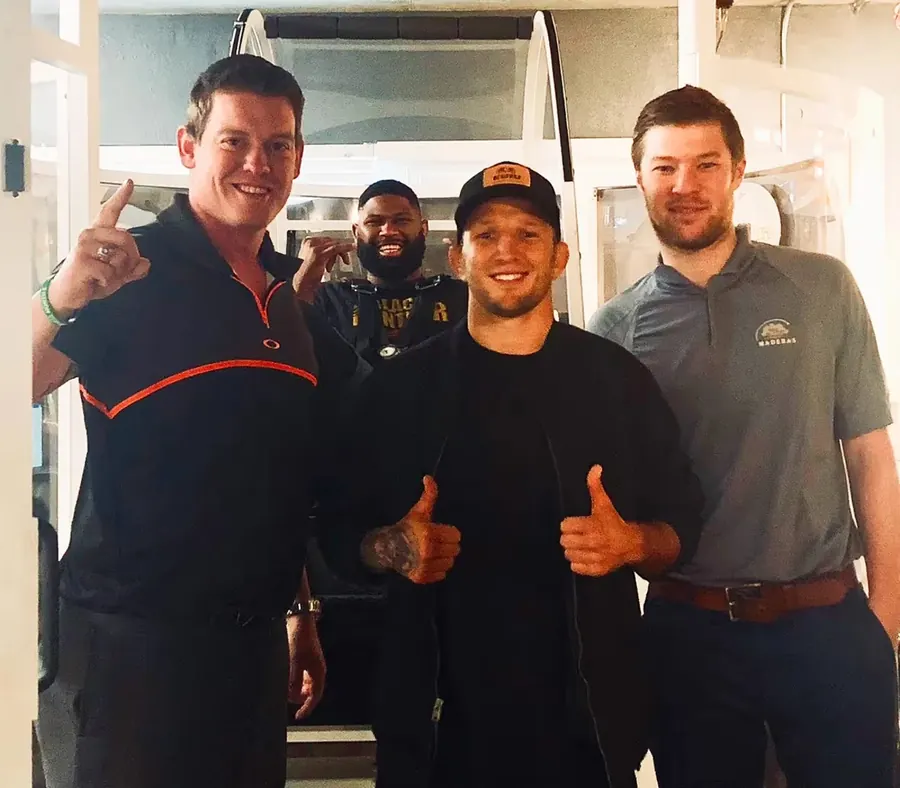
#4 in the UFC Heavyweight Rankings / Ultimate Fighting Championship and UFC Bantamweight Champion
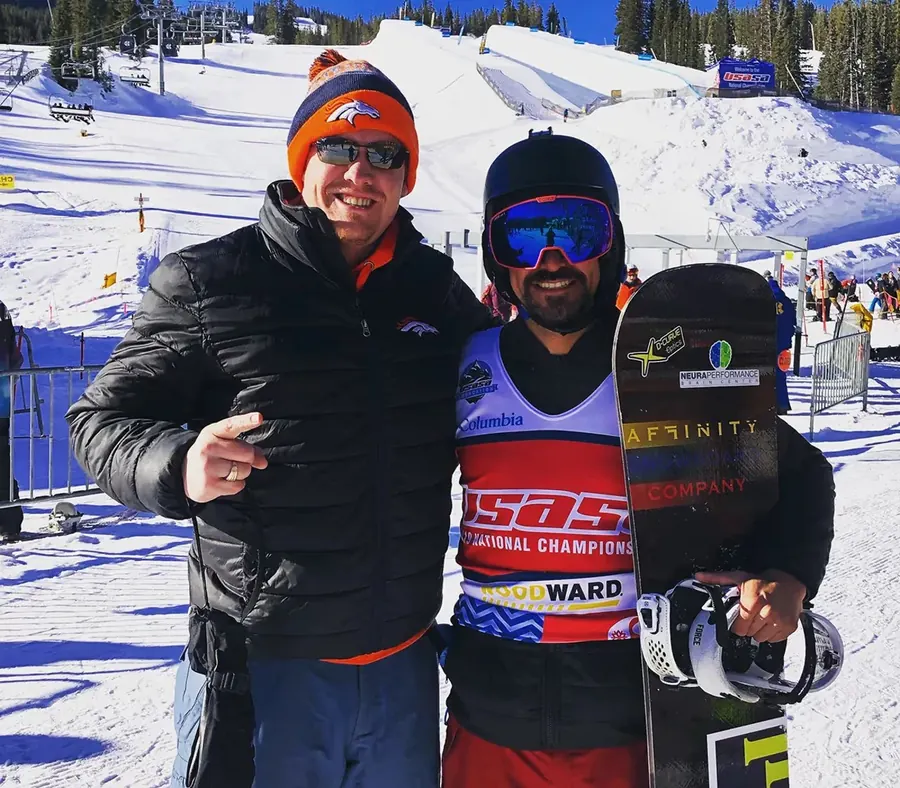
Colombian National Team Snowboarder
I started here with Neuro feedback after a surgery left me stuck up in high gear(sympathetic nervous system response)I had little ability to retain information and had forgotten much of the previous year including some friends. After 20 sessions I was back to normal and had my memory return and was able to bring my brain out of the sympathetic fight or flight to a calm well balanced state. Balance. For a high function leader in a very large global operation I was not able to function without memory recall. My emotional instability and confusion was scary before they helped me. By the time I completed my treatments we had demonstrable evidence from my before and after scan, that the therapy had restored me to a healthy balanced state restoring both peace and cognitive function. I’d recommend this location and its functions for anyone suffering from something similar.
Visit
In-clinic training takes place at our Rancho Santa Fe office: 18029 Calle Ambiente, Suite 507, in Cielo Village, about two miles from Lake Hodges. Neurofeedback is also offered at our Newport Beach office, and the remote program serves patients who live farther away.
The first step
The research is mixed and still growing, and results differ by condition and by person. That is why we measure your own response and tell you if training is not helping.
It takes time and regular sessions. Some people feel tired, get a headache or sleep differently early on, and we adjust the settings when that happens.
They do different jobs. EMDR is a talk-based therapy for trauma provided by a licensed mental health professional, while neurofeedback trains brainwave patterns. Some people use both.
We explain cost and payment options on your intro call, before you book an exam. Coverage for biofeedback varies, so it is worth asking your insurer too.
For a plain-language overview, see Mayo Clinic's overview of biofeedback.
One example of the mixed evidence is a 2016 review of neurofeedback trials in ADHD, which found smaller effects when raters were blinded.
Journal
Start with a complimentary 15-minute call with our team.


