
An injury that never fully settled
Weakness, stiffness or a sensitive scar can keep an old injury painful after the tissue itself has healed.
Pain that has hung on for months changes how you sleep, work and move. We look at what keeps it going, then build a conservative plan around what your exam finds.
The short answer
Chronic pain is pain that lasts longer than three months or past the usual healing time. At True Performance in Rancho Santa Fe, CA, we examine how the pain behaves, how you move and what sets off flare-ups. Care can combine near-infrared light, PEMF therapy and peripheral nerve stimulation, paced to your response and reviewed as flare-ups change.
Overview
Some days are manageable. Then a long drive, a bad night's sleep or a round of golf sets off a flare, and you are back where you started.
That pattern is common with chronic pain. The original injury may have settled, while stiffness, guarded movement, poor sleep and a more sensitive nervous system keep the pain going.
We start by finding what still drives your pain and which daily tasks it limits. Then we choose from conservative options such as near-infrared light therapy in our pain clinic, and we review the plan as your sleep, stamina and movement change.
Understanding
Chronic pain is pain that lasts longer than three months or continues after an injury should have healed. It can follow arthritis, nerve irritation, an old injury or repeated strain. Over time, poor sleep, stress and muscle guarding can keep the pain active even after the tissues have settled.
An injury, joint change or nerve irritation starts the pain.
Guarded movement, poor sleep and stress keep it active.
The nervous system grows more sensitive, so flares come easier.
The re-check
We track flare-ups, sleep and activity tolerance as you go. If a service is not helping, we change the plan or point you back to your physician.
Chronic pain can occur most days and last for weeks, months or even years, as the MedlinePlus guide to chronic pain explains.
Symptoms
Causes
Weakness, stiffness or a sensitive scar can keep an old injury painful after the tissue itself has healed.
Irritated or damaged nerves can cause burning, tingling or electric pain that may travel into a hand or foot.
Arthritis and disc changes can cause aching and stiffness. Imaging does not always match how much it hurts.
Desk work, driving and restricted joints can strain the neck, back and nearby muscles day after day.
Training, manual work, travel and caregiving can load the same tissues with little time to recover.
Our approach
We treat chronic pain by finding what keeps it active, then choosing conservative services that match your exam. Care can combine near-infrared light, PEMF therapy and peripheral nerve stimulation, with a regenerative therapies consultation when it fits. We adjust the plan as your flare-ups, sleep and activity change.
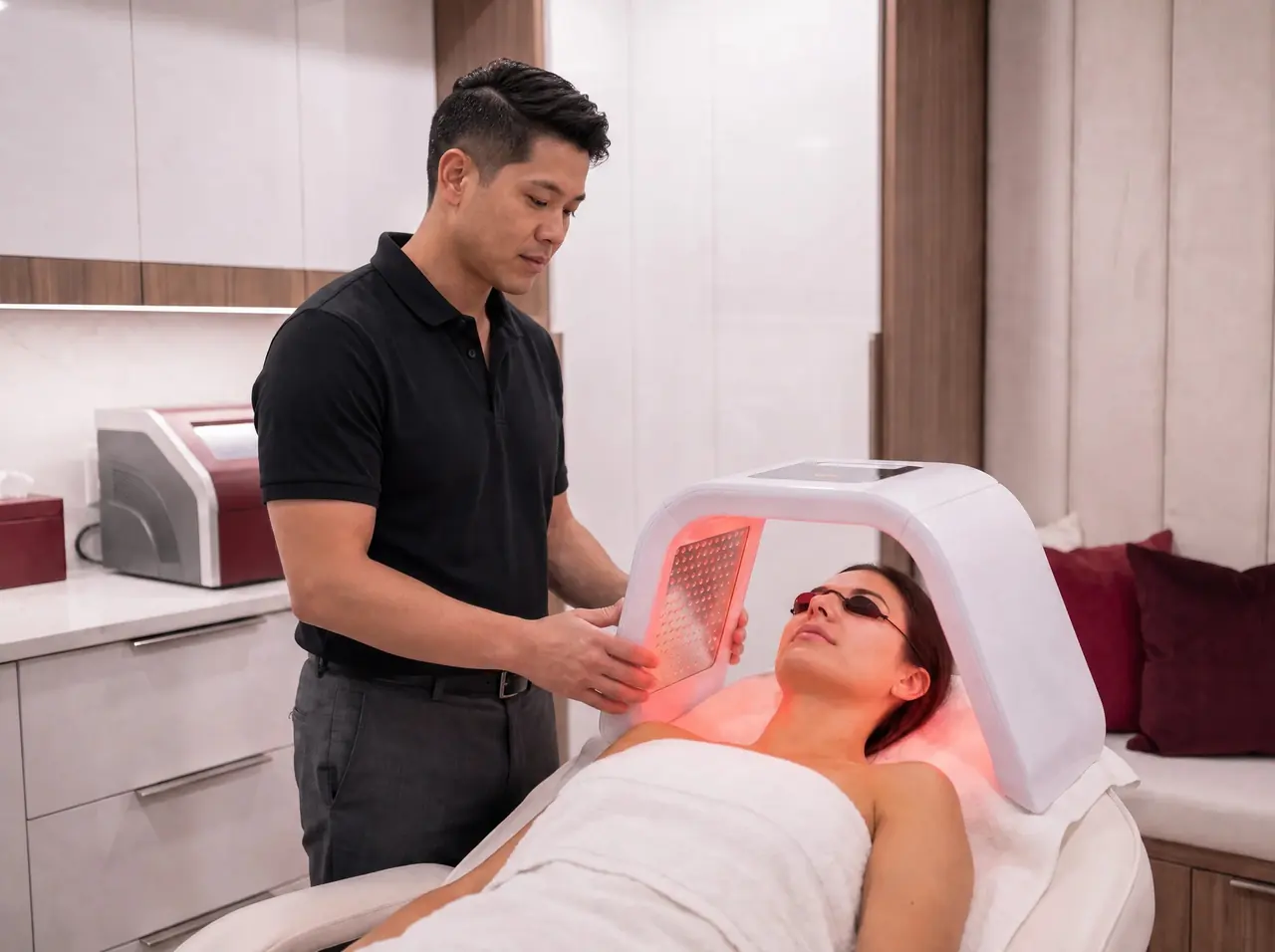
Near-infrared light is applied over stiff or sensitive soft tissue chosen from your exam. It is often used when pain stays in one area or builds during a flare, and we judge its role by how you respond. See near-infrared light for ongoing stiffness.
Brief electromagnetic pulses are directed at a selected area, with no needles and no force. Learn about PEMF sessions for long-standing pain.
When nerves are part of the pain, controlled electrical input targets selected nerve pathways without surgery or implants. Explore nerve stimulation for persistent nerve pain.
If you want to know whether a regenerative option fits you, a regenerative therapies consultation for chronic pain starts with an evaluation.
Red flags
Most chronic pain is not an emergency. A few changes need medical care first.
If you notice any of these, contact your physician or go to the emergency room before starting care with us.

Your clinician
Your evaluation is led by Dr. Jeff McWhorter, D.C., a chiropractor whose practice focuses on functional neurology, concussion rehabilitation, and performance. He looks at how pain, movement, sleep and the nervous system affect one another, rather than focusing on one sore spot.
His background in pain control, chiropractic-based neurological rehabilitation and performance care helps him read changing flare patterns and adjust your plan as your stamina and mobility improve.
Visit
Our office is at 18029 Calle Ambiente, Suite 507, in Cielo Village, Rancho Santa Fe, less than two miles from Lake Hodges. We are open Monday through Friday with morning and afternoon appointments, so you can plan visits around work and training.
The first step
Pain is usually called chronic when it lasts longer than three months or continues past the time an injury should have healed. Pain that starts suddenly and settles as you heal is acute. See what sets acute pain apart.
Often, yes. Pain can break up sleep and cut your activity, and low energy then makes movement and focus harder. We ask about sleep and energy at your first visit.
It depends on the cause. Treatment may not remove chronic pain entirely, but it can ease symptoms and make daily activity more manageable.
Options include workload changes, movement guidance, near-infrared light and PEMF therapy. We fit them to your sport, your training schedule and how much load the area tolerates now.
We explain cost and payment options on your complimentary intro call, before you book an exam.
Start with a complimentary 15-minute call with our team.