

Genetics
ADHD often runs in families. Research points to genes as a major factor, though no single gene explains it.
Homework takes all evening, the workday slips away, or small tasks pile up. We add structured attention and self-regulation practice to the support you already have.
The short answer
ADHD (attention-deficit/hyperactivity disorder) affects focus, activity level and impulse control in children, teens and adults. At True Performance in Rancho Santa Fe, CA, we offer non-drug training for attention, focus and self-regulation with neurofeedback, a qEEG brain map and DynaVision cognitive training, in coordination with your care team and any medication your prescriber manages.
Overview
Your child can play a video game for an hour but cannot finish ten math problems. Or you meet every deadline at work, then lose the whole evening to unfinished chores.
That uneven pattern is typical of ADHD. It is not a lack of effort or discipline, and it often looks different at home, at school and at work.
We do not evaluate for ADHD or prescribe medication. We look at where attention breaks down, then offer brainwave training with neurofeedback and measured attention tasks, paced to how the person responds.
Understanding
ADHD, or attention-deficit/hyperactivity disorder, is a neurodevelopmental condition marked by ongoing patterns of inattention, hyperactivity, impulsivity, or a mix of these. It usually starts in childhood and can continue into the teen years and adulthood, where it may show up as missed details and poor time management.
The brain's attention and self-control systems develop differently.
Long, dull or multi-step tasks become harder to start and finish.
Stress, poor sleep and busy settings make the pattern worse.
The re-check
We re-test attention and reaction scores as sessions go on. If the numbers and daily life are not changing, we say so and adjust or stop.
A pediatrician, primary care provider, psychologist or psychiatrist usually carries out the evaluation. They review developmental history, how the person manages in more than one setting, and other concerns that can look similar, such as anxiety, sleep problems or learning differences.
For school-age children, the recommended care combines behavior therapy and medication, with classroom support. Our training is an extra layer of practice for focus and self-regulation, in coordination with the professionals already involved.
The recommended mix of behavior therapy, medication and school support is laid out in CDC's overview of ADHD care options.
Symptoms
Causes
ADHD often runs in families. Research points to genes as a major factor, though no single gene explains it.
Parts of the brain that manage attention, planning and self-control can develop differently.
Some early developmental and environmental factors may raise the risk. None of them explains every case.
Sleep loss, stress, busy routines and sensory overload can make a hard day harder. They do not cause ADHD, and neither does parenting style.
Our approach
Our training works on function: structured practice with attention, focus and self-regulation. Care can include neurofeedback set up from a qEEG brain map, and DynaVision cognitive training for focus and reaction control. Each plan is paced to the person and works alongside their existing care.
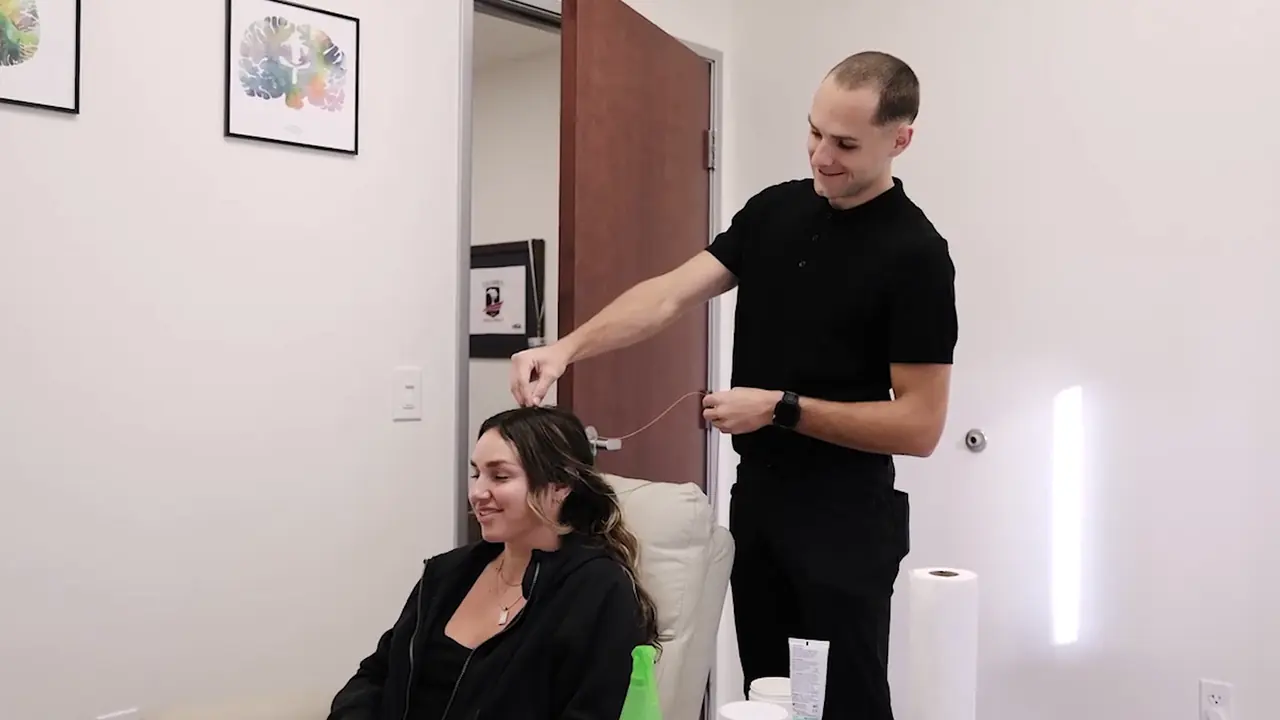
Sensors read brainwave activity while a screen or sound gives live feedback. The person practices holding the patterns tied to calm, steady focus, and a qEEG brain map recorded beforehand helps set the goals. See how neurofeedback sessions for attention and self-control are set up.
Rancho Santa Fe only
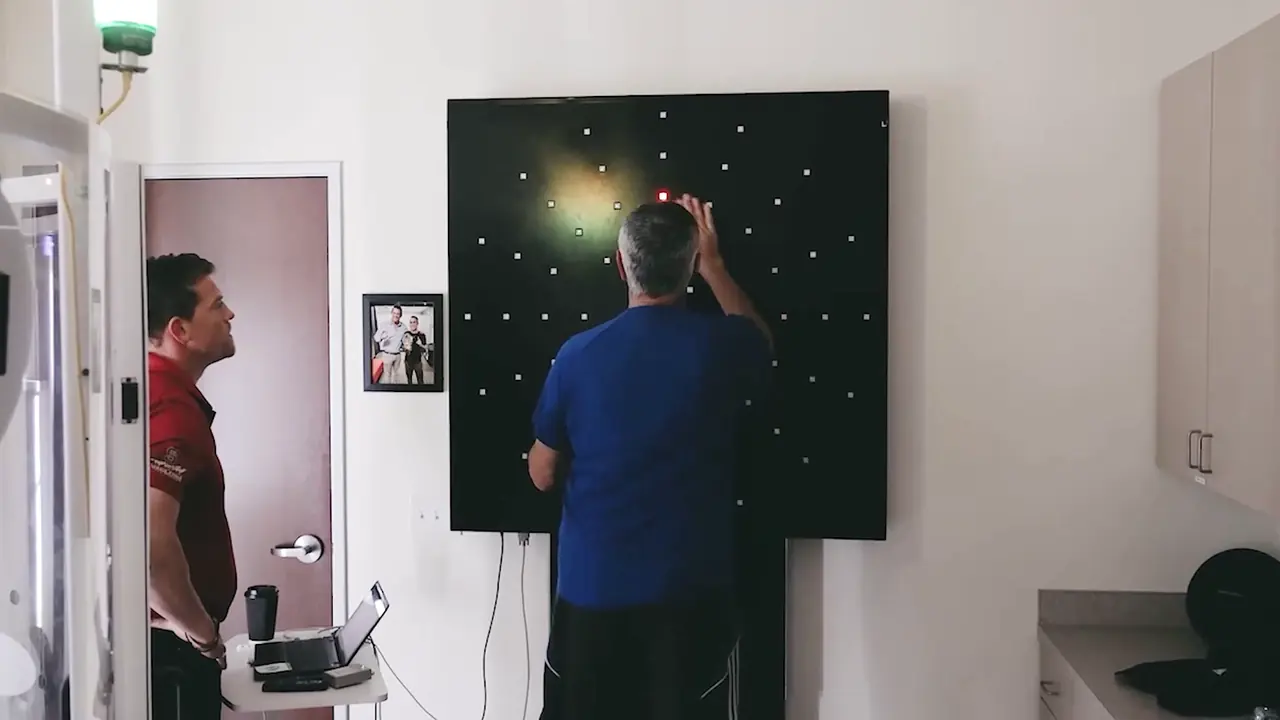
A wall of lights asks for fast, accurate responses while numbers or words compete for attention. Scores show when to add challenge. Explore DynaVision drills for attention and impulse control.

Your clinician
Each plan is overseen by Dr. Jeff McWhorter, D.C., a chiropractor whose practice focuses on functional neurology, concussion rehabilitation, and performance. Neurofeedback sessions are run by our team with Lex Merrifield, our Assistant Clinic Director and Neurofeedback Director.
We ask about the supports already in place, from school plans to counseling, and work in coordination with that care team.
Visit
Sessions take place at our Rancho Santa Fe office: 18029 Calle Ambiente, Suite 507, in Cielo Village. We are about two miles from Lake Hodges, an easy drive for families from across North County San Diego.
The first step
No. We offer it as added practice for focus and self-regulation, not as a stand-alone answer. The recommended care for most children is behavior therapy and medication, with school support, and our work sits alongside that.
Yes. Adults often come in for missed details, procrastination and trouble switching tasks. Training is set around the work and home demands they describe.
No. A pediatrician, primary care provider, psychologist or psychiatrist carries out that evaluation. We can work alongside an evaluation already done or one in progress.
Yes, the two often overlap. We explain how our function-focused training fits alongside autism supports on our page about autism and function-focused training.
We explain cost and payment options on your complimentary intro call, before you book. The total depends on your evaluation and the number of sessions in your plan.
Start with a complimentary 15-minute call with our team.