

Chronic stress
Work, caregiving, school, health worries and big life changes can keep you tense and mentally exhausted.
You are wired and tired, sleep is broken, and small things set you off. We measure how your brain handles stress, then train steadier regulation alongside your other care.
The short answer
Emotional health covers how you handle stress, sleep, worry and strong reactions. At True Performance in Rancho Santa Fe, CA, we look at those patterns with a qEEG brain map and conversation, then use neurofeedback to practice self-regulation. This support works alongside psychotherapy, psychiatric care or your primary care provider, never in place of them.
Overview
Maybe you lie awake with your mind racing, then drag through the next day. Maybe you snap at people you love, or a normal workload suddenly feels like too much.
Stress, sleep and focus are tied together. When one slips, the others often follow, and the pattern can feed itself for months.
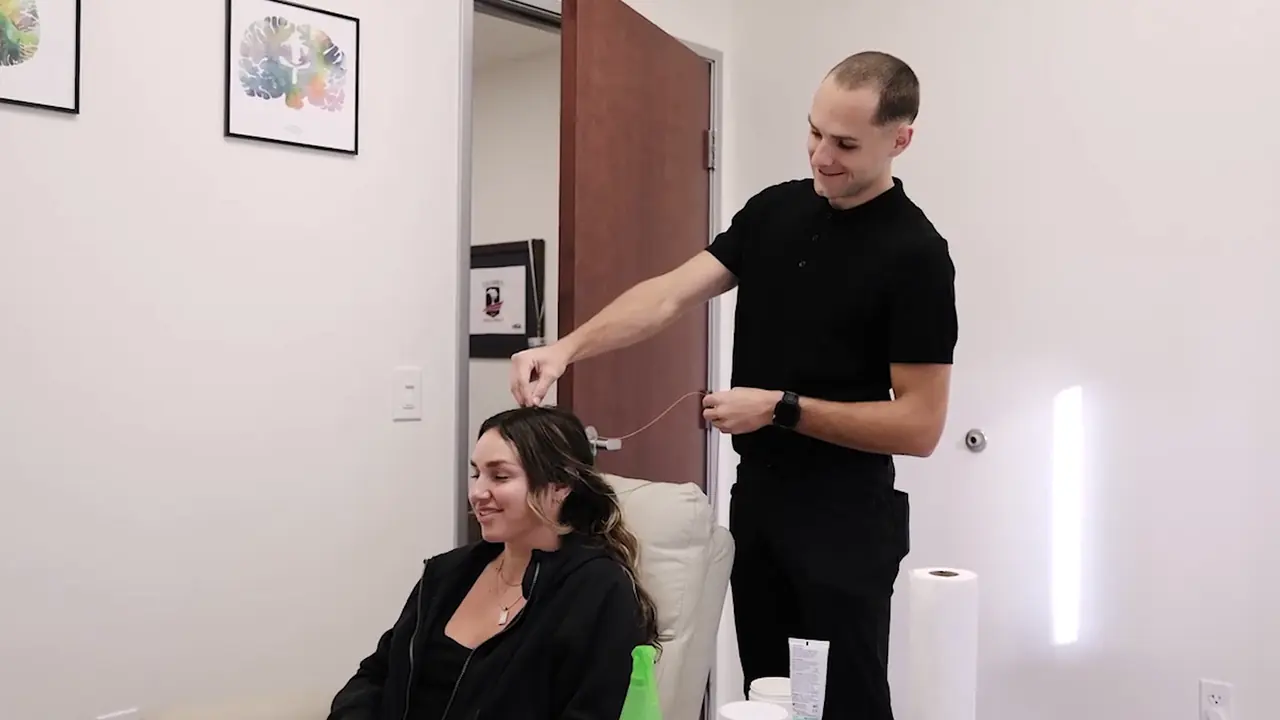
We start with what has changed, how long it has been going on and where you feel it most. Then we may recommend neurofeedback for stress and self-regulation, informed by a qEEG brain map.
Understanding
Emotional health is how well you handle stress, sleep, worry and strong feelings in daily life. When it slips, people often feel on edge, irritable, overwhelmed or unable to rest. Those changes can have many causes, and some are signs of a mental health condition that needs professional care.
Ongoing stress keeps the body's alarm system switched on.
Sleep suffers, which makes stress harder to handle.
Focus, patience and mood wear down together.
The re-check
We repeat measures and check sleep, stress and focus against your goals. If nothing is changing, we tell you and adjust the plan or point you to other care.
No. People use the phrase to describe feeling constantly on edge, reacting strongly to stress or struggling to shift from activity to rest. Because those experiences have many causes, we look at them with your sleep, health history and other care.
For anxiety, research-supported care includes talk therapy such as cognitive behavioral therapy, and medication a health care provider may prescribe. Our training adds practice with regulation, and we coordinate with your therapist or physician when you ask us to.
Talk therapy and medication are the standard care options described in the National Institute of Mental Health guide to generalized anxiety disorder.
Symptoms
Causes
Work, caregiving, school, health worries and big life changes can keep you tense and mentally exhausted.
Too little restful sleep lowers patience and stress tolerance, and worry then makes sleep harder.
Irritability, anxiety and low mood can follow a concussion, alongside headaches and poor sleep.
Irregular routines, little downtime, isolation and heavy screen use can all affect mood, energy and focus.
Medical conditions and some medications can change mood and energy, so we ask about both.
Our approach
We support emotional health by measuring how your brain handles stress and rest, then training steadier regulation. Care can include a qEEG brain map and neurofeedback for arousal, focus and sleep. When mood changes follow a head injury, concussion rehab joins the plan.
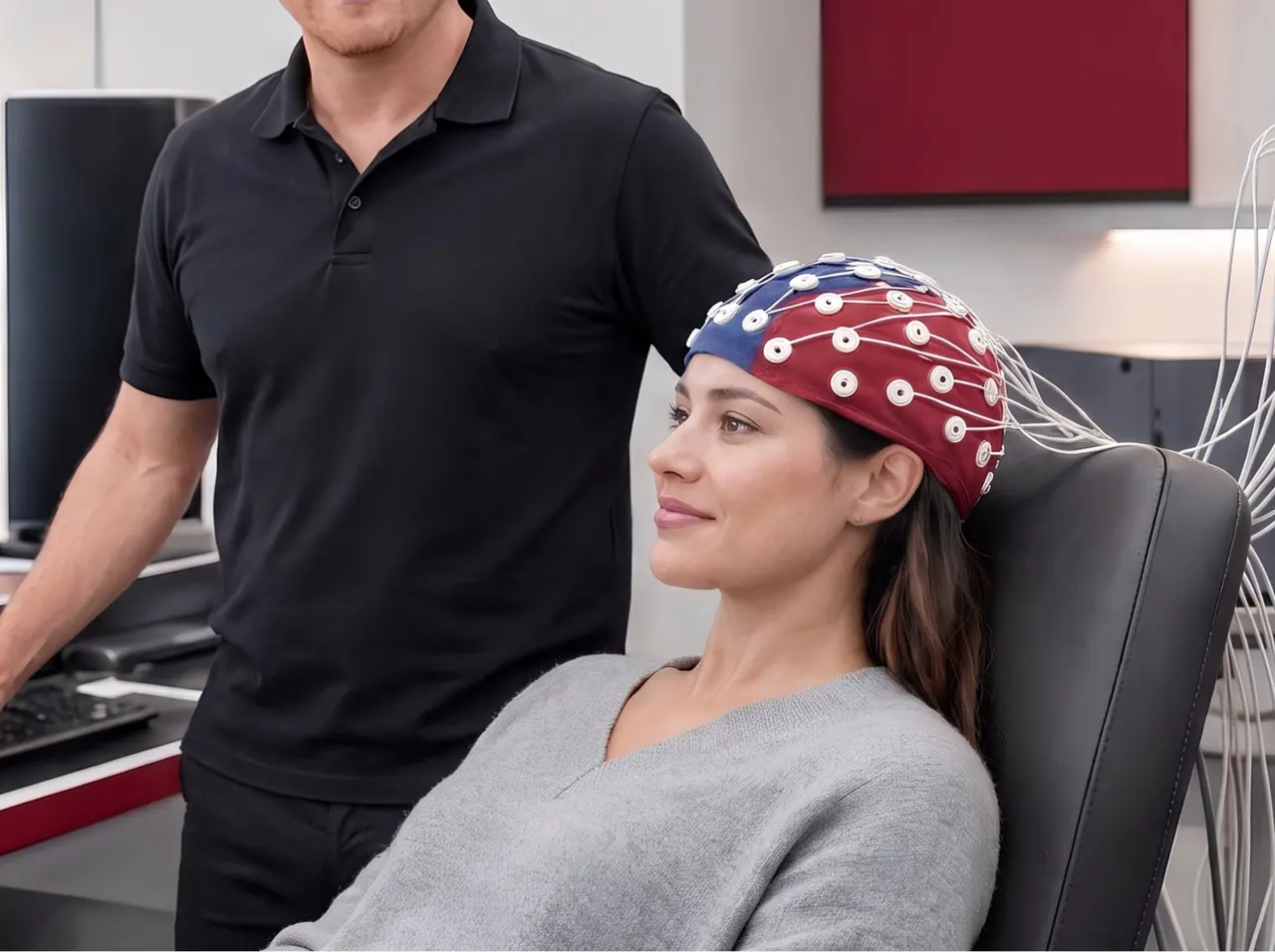
Scalp sensors read brainwave activity while a screen or sound gives live feedback. You practice patterns tied to calm and settled sleep. Read how neurofeedback trains a calmer stress response.
A recording of your brain's electrical activity becomes a map. It is not a mental health evaluation, but it sets training goals and a baseline for later. See qEEG brain mapping for stress and sleep concerns.
Mood changes after a head injury sit inside a wider recovery plan. Learn about concussion rehab when mood changes follow a head injury.
Red flags
Some changes need urgent help, not a training plan.
If you are in crisis, call or text 988 any time, day or night, or call 911 or go to the nearest emergency room.
Free, confidential support by call, text or chat is available at the 988 Suicide and Crisis Lifeline.
★★★★★
This place is so incredible. I don’t even know where to start the staff. Every single one of them is top-notch and cares a great deal about me, taking care of me every visit with very detailed and precise treatment. Again, they care so much about you as the patient. It’s one of the most incredible places I have ever been. I came in here with massive anxiety and it’s been three weeks of work, but I am already turning the corner and feeling better. Saving my life in all honesty, I would recommend this place to anybody. They are so incredible. It’s amazing. If you need help, please contact them as they will take fantastic care of you and make sure they get you to the finish line with your problem.

Your clinician
Each plan is overseen by Dr. Jeff McWhorter, D.C., a chiropractor whose practice focuses on functional neurology, concussion rehabilitation, and performance. Neurofeedback sessions are run by our team with Lex Merrifield, our Assistant Clinic Director and Neurofeedback Director.
We ask about any therapist, psychiatrist or physician you already see, and we recommend a referral when your symptoms need care we do not provide.
Visit
Sessions take place at our Rancho Santa Fe office: 18029 Calle Ambiente, Suite 507, in Cielo Village. We are about two miles from Lake Hodges, with patients coming from across San Diego County.
The first step
No. Psychotherapy, psychiatric care and medication come from licensed mental health professionals. Our services may complement that care.
It gives live feedback on brainwave activity so you can practice patterns tied to calm, focus and sleep. Responses vary, and it should sit alongside proper mental health care when symptoms are significant.
We talk through changes in sleep, focus, stress and mood, and may record a qEEG or run short performance tasks. Then we explain which services fit and whether a referral makes sense.
Yes. Ongoing stress can make it hard to fall asleep, and poor sleep lowers patience and focus the next day. That loop is often where we start.
We explain cost and payment options on your complimentary intro call, before you book. The total depends on your evaluation and the number of sessions in your plan.
Journal
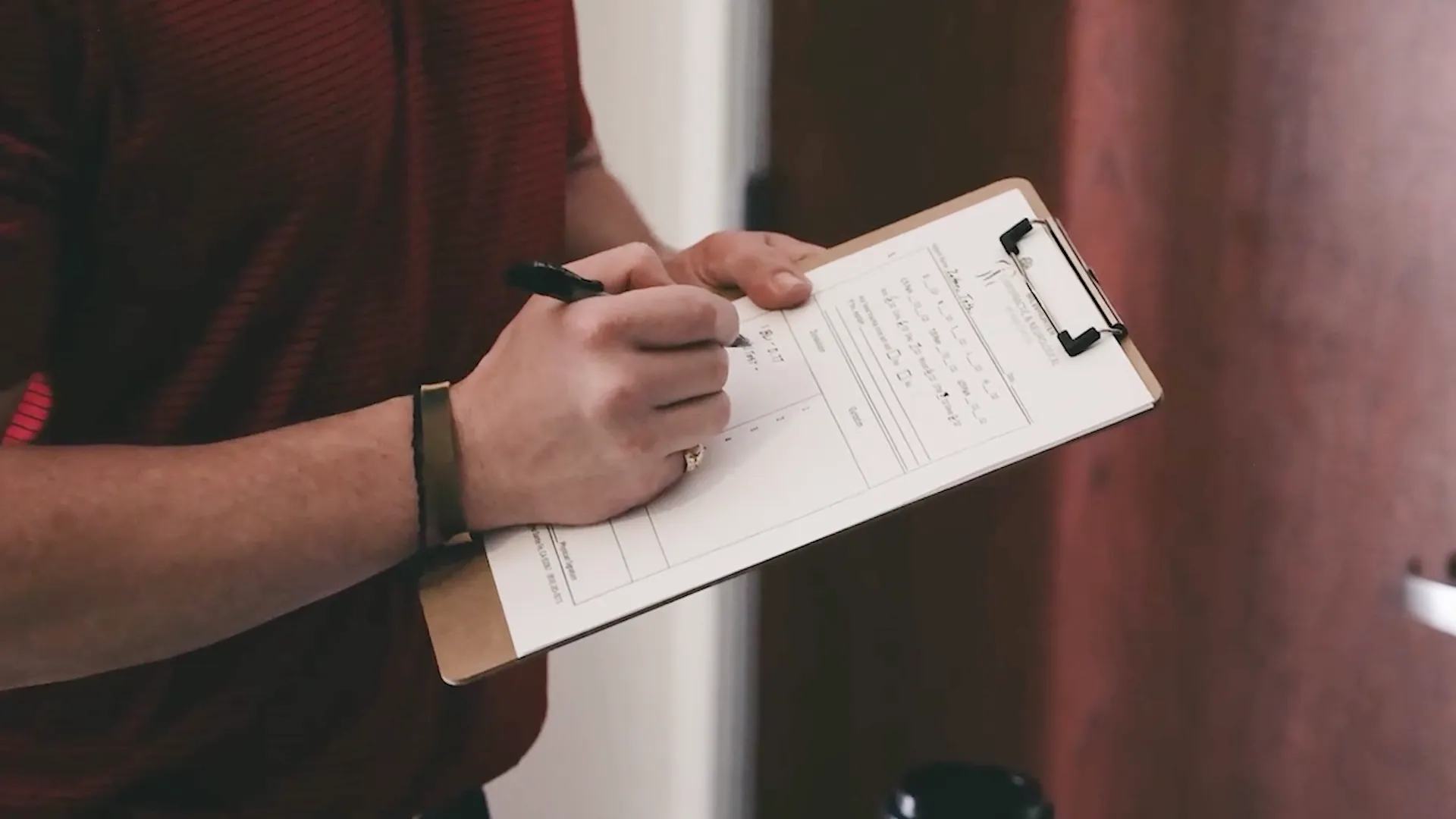
Start with a complimentary 15-minute call with our team.